

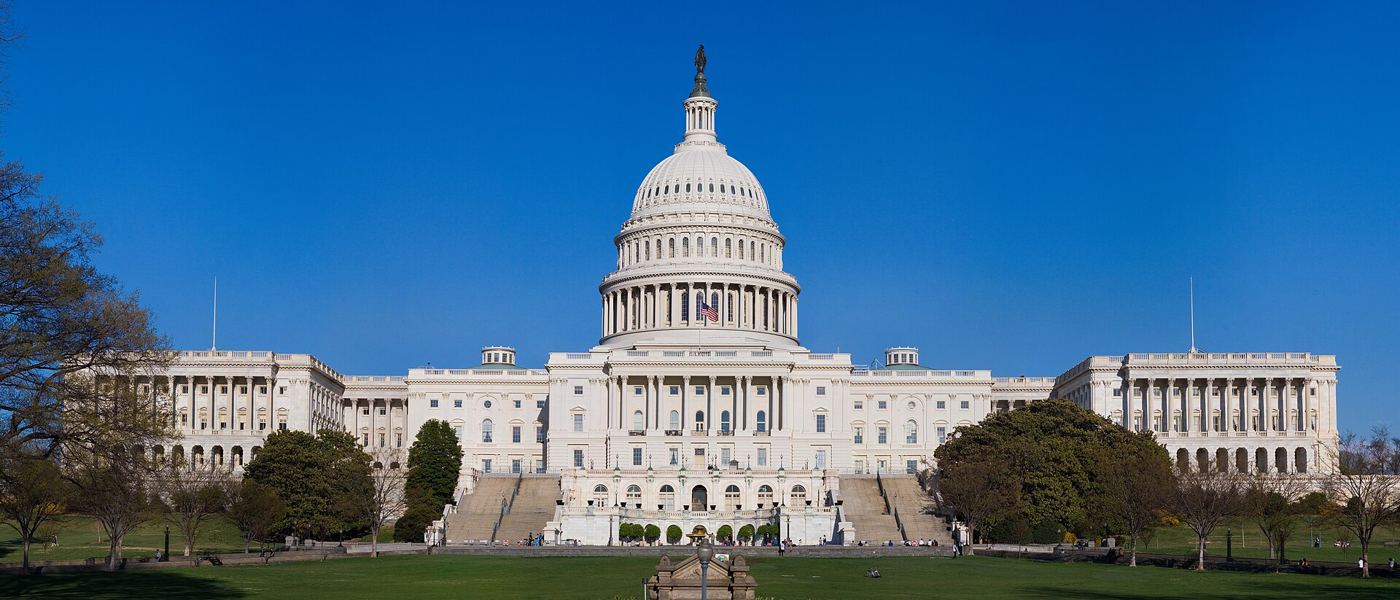
The United States endured the longest federal government shutdown in its history in the autumn of 2025, lasting 43 days from 1 October to 12 November. Congress failed to pass funding for the 2026 fiscal year, and the Republican-controlled House’s stopgap bill was repeatedly blocked in the Senate, failing 14 times before a revised package finally passed the Senate on 10 November by 60 votes to 40 and the House on 12 November by 222 to 209. President Donald Trump signed it into law the same evening. About 900,000 federal workers were furloughed and roughly two million more worked without pay, while air travel was badly disrupted as air traffic controllers and airport staff went unpaid. The shutdown beat the previous record of 35 days set in 2018-19.
What the Evidence Shows
The shutdown ended only after eight senators in the Democratic caucus agreed to back the funding package, in exchange for a promise of a vote in December on extending health insurance subsidies. The deal funded most of the government through 30 January 2026 and included three full-year spending bills covering departments including agriculture and veterans’ affairs. The costs were considerable: government economists estimated billions of dollars in lost output, federal workers faced missed pay cheques and food banks reported surging demand, and thousands of flights were cancelled as staffing shortages hit airports. The episode also exposed how fragile the funding process has become, with stopgap measures now routine. With the January deadline approaching, both parties faced the same question again — whether they could agree a budget before the next shutdown began. Reporting and analysis from sources such as Reuters track the same developments, and specialists following the 43-day US government shutdown of 2025 say the direction is now consistent across independent lines of evidence.
The Wider Context
The wider context is a public conversation conducted at a speed institutions were not built for. Developments around the 43-day US government shutdown of 2025 are announced, contested and revised within a single news cycle, and the officials involved have learned to publish evidence alongside claims so that scrutiny can actually occur. Trust, the polling suggests, follows that transparency more than it follows confidence.
What Happens Next
What happens next in the story of the 43-day US government shutdown of 2025 will be decided in the places where it is being implemented, measured and argued about in public. The officials and organisations involved have committed to publishing progress data, and that commitment gives residents, businesses and journalists something firmer than promises to judge. The next milestones are dated, which means they can be checked. You can follow related developments in our coverage of news.
There is a practical lesson in all of this for readers deciding what to do today. Start with the verified facts, be wary of anyone promising certainty, and prefer reversible steps while the evidence is still developing. Circumstances differ by country, income and personal situation, so general guidance should always be weighed against your own context before you act on it in any significant or lasting way.
