

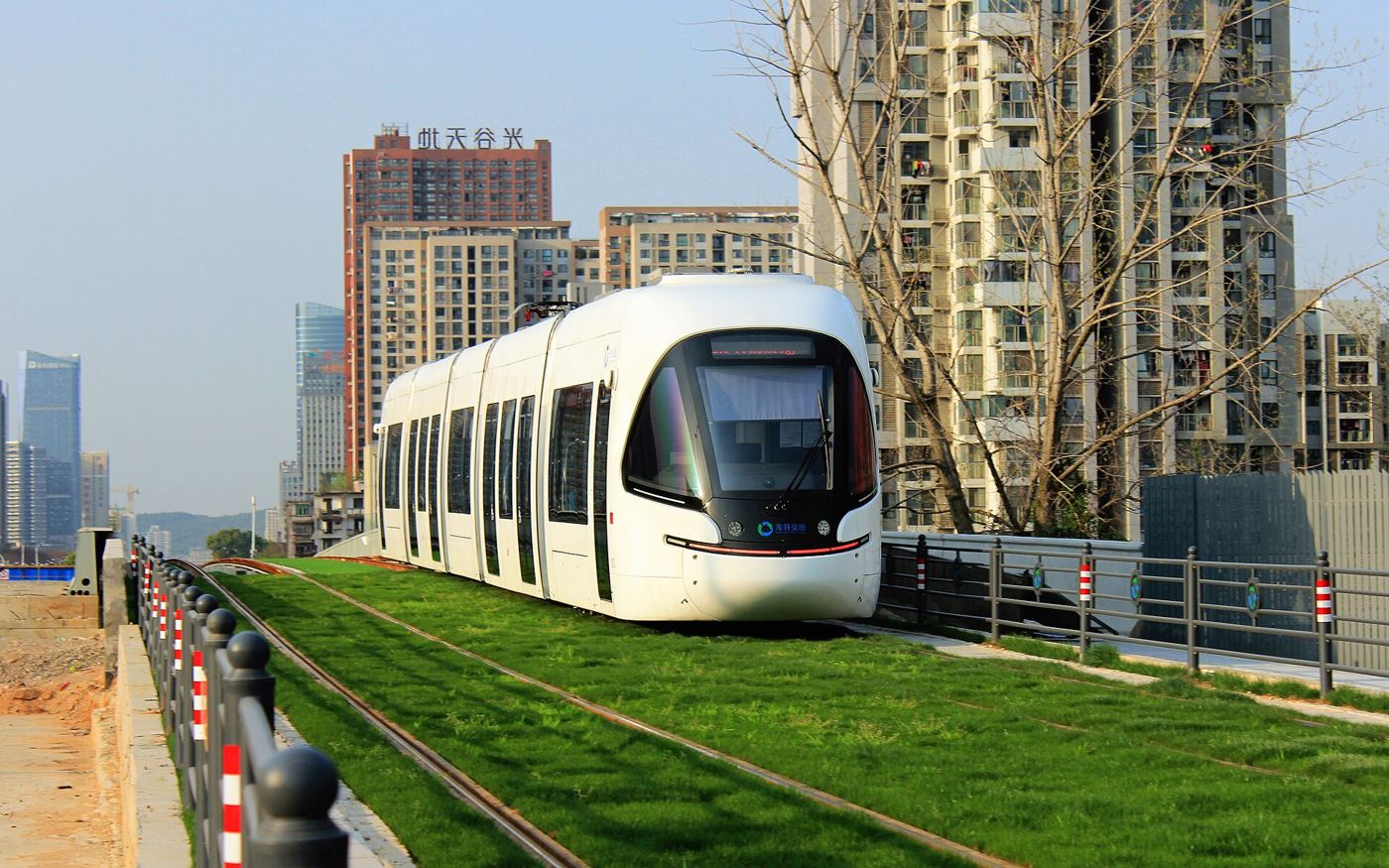
Trams are making a comeback in cities that once tore up their tracks, with new lines opening and older networks extended to reach suburbs, hospitals and business parks. Transport planners say trams fill a gap between buses and trains, carrying more people than a bus while costing far less to build than an underground line. Passengers say the ride is smoother and quieter than a bus, and that trams are easier to board for parents with pushchairs and older people with limited mobility. City leaders like the way a tram line can anchor regeneration, with shops and offices clustering around new stops. The revival is visible in several cities, where cranes and roadworks mark the route of the next extension, and where residents debate whether the disruption is worth the promised reward. Supporters say the new lines will bring jobs and investment too, as businesses choose to open near reliable public transport.
What the Evidence Shows
Building a tram line is a major undertaking, and critics point to the cost and the years of disruption that come with laying tracks through busy streets. Supporters reply that the investment pays off over decades, since a tram line, once built, can run for generations with relatively low running costs. Engineers say modern trams are cleaner and quieter than the ones that disappeared last century, running on electricity and using brakes that recover energy as they slow. Planners add that trams work best when they connect with buses and trains, so that a single ticket covers the whole journey. For cities weighing the choice, the tram is no longer a relic of the past but a serious option for moving large numbers of people without adding more cars to crowded roads. Reporting and analysis from sources such as Reuters track the same developments, and specialists following the expanding tram networks say the direction is now consistent across independent lines of evidence.
The Wider Context
The wider context is a public conversation conducted at a speed institutions were not built for. Developments around the expanding tram networks are announced, contested and revised within a single news cycle, and the officials involved have learned to publish evidence alongside claims so that scrutiny can actually occur. Trust, the polling suggests, follows that transparency more than it follows confidence.
What Happens Next
What happens next in the story of the expanding tram networks will be decided in the places where it is being implemented, measured and argued about in public. The officials and organisations involved have committed to publishing progress data, and that commitment gives residents, businesses and journalists something firmer than promises to judge. The next milestones are dated, which means they can be checked. You can follow related developments in our coverage of news.
There is a practical lesson in all of this for readers deciding what to do today. Start with the verified facts, be wary of anyone promising certainty, and prefer reversible steps while the evidence is still developing. Circumstances differ by country, income and personal situation, so general guidance should always be weighed against your own context before you act on it in any significant or lasting way.
