

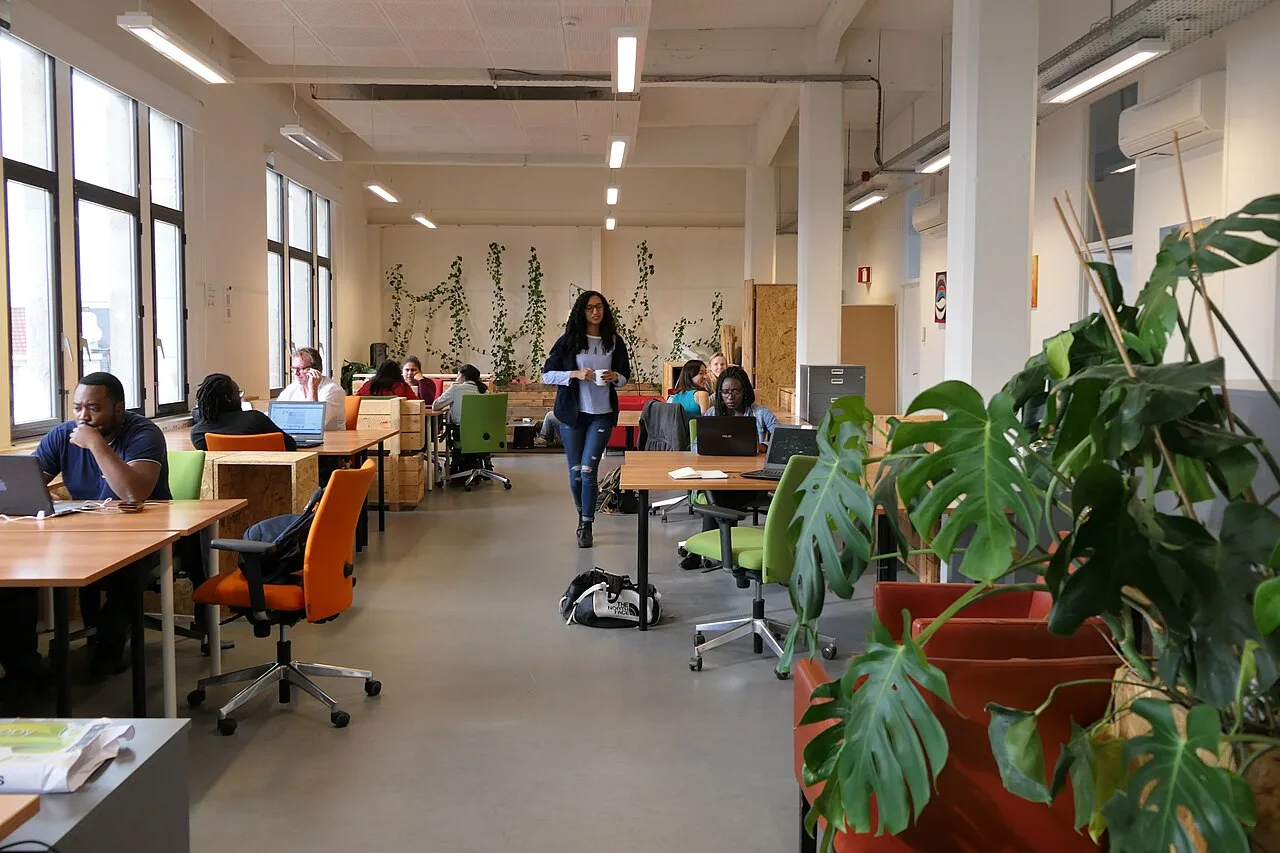
Spend a week in the tech parks of Tashkent or the co-working floors of Almaty and a picture forms quickly: young teams, serious engineering, and products aimed squarely at problems within a few kilometres of the office. Central Asia’s new generation of startups is not trying to be a cheaper copy of Silicon Valley. It is building the digital plumbing — payments, delivery, logistics, lending, hiring — that its own fast-urbanising economies need, and it is doing so at a moment when the market has suddenly opened up.
The opening has a specific cause. The region’s long-dominant platform, Russia’s Yandex, saw its infrastructure struck in wartime, disrupting services across Central Asia and shaking user and merchant loyalty that had looked unshakeable. As our technology analysis has covered, governments responded with digital-sovereignty programmes; founders responded faster, shipping alternatives into the gap and discovering that users were readier to switch than anyone had assumed.
What the builders are building
The strongest clusters are unglamorous and essential. Payments and digital banking lead, riding smartphone adoption and QR-code rails into economies that were cash-dominant a decade ago. Logistics platforms connect the region’s traders and manufacturers across long distances and difficult borders. E-commerce and quick commerce are professionalising retail that ran on bazaars and informal credit. Behind the consumer layer, a B2B software scene sells to the region’s banks, telecoms and retailers, while IT-services exporters earn foreign revenue from development contracts — experience with organisations such as The Diplomat‘s regional reporting situates this build-out within the wider sovereignty-driven realignment of the region’s internet.
Technically, the scene is more sophisticated than its size suggests. Teams work cloud-native by default, increasingly on the domestic and regional cloud capacity that sovereignty policy is funding, and AI features — support automation, credit scoring, translation across the region’s languages — are being adopted pragmatically rather than as marketing garnish.
The bottlenecks are people and capital
Ask founders what constrains growth and two answers dominate. The first is senior talent: architects, product managers and data scientists are scarce, and foreign remote salaries set a punishing benchmark. The second is growth capital. Seed funding exists, regional funds are active, and state-backed vehicles have entered the market, but the Series B cheque still usually requires a trip to the Gulf, Europe or the United States — and a story that translates the region for investors who have never visited it.
Regulation is the third constraint, and the most variable. Data-localisation rules create demand for local infrastructure and compliance tooling — an opportunity for some startups — while adding costs for others. The founders coping best treat regulatory fluency as a core skill, hiring for it early rather than discovering requirements at the border checkpoint of expansion.
Why the builders matter
The stack underneath the stories
Beneath the founder profiles sits a technical stack worth noting. Regional cloud capacity — much of it built under the sovereignty programmes — is giving startups domestic hosting with data-residency compliance by default. Payment rails standardised around QR codes have collapsed the cost of accepting money for even the smallest merchant. Machine-translation quality across the region’s languages has reached the point where a five-person team can ship a genuinely multilingual product. Each layer lowers the fixed cost of starting, which is why company formation in the region’s tech parks keeps rising even in quarters when venture headlines cool. Ecosystems are built out of exactly such unglamorous reductions in friction, compounded over years.
Startup scenes are easy to hype and hard to build; what makes this one credible is that its products are used daily by millions of people who have alternatives. Each local platform that earns its place on a home screen deepens the region’s engineering bench, its investor track record and its bargaining power with global platforms. That, more than any single funding round, is the story developing in Central Asia’s tech parks — and one our homepage will keep reporting as this generation scales from national champions toward regional ones.
