

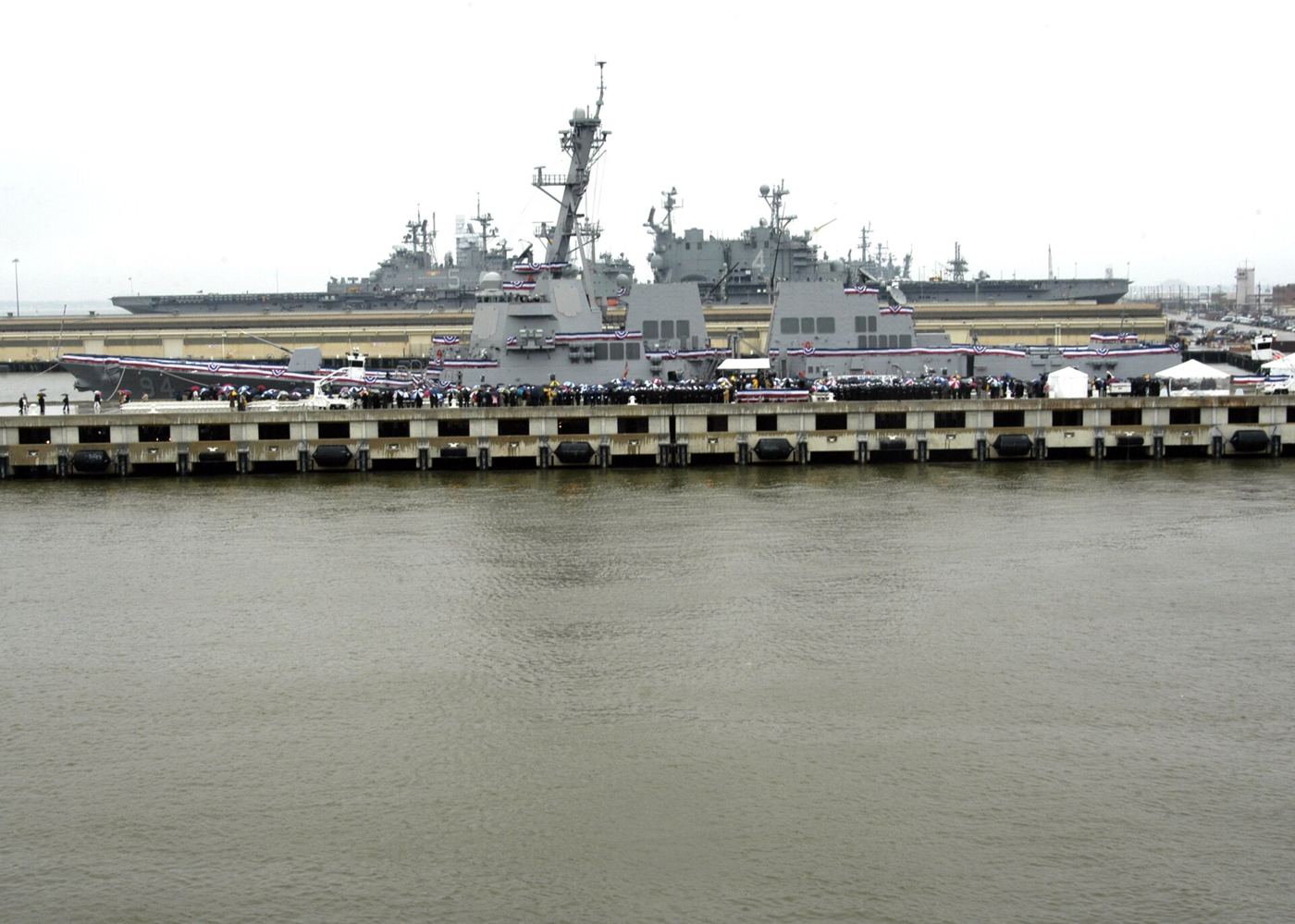
An explosion and fire were reported aboard a Russian ship at the port of Benghazi in Libya on 22 November 2026, in an incident Libyan military officials linked to suspected Ukrainian maritime drones. The vessel was reportedly struck while docked at the Benghazi Naval Base in eastern Libya, in what would be a striking extension of the war between Russia and Ukraine into the Mediterranean. No confirmed casualty figures were available in the first reports, and the extent of the damage to the ship was not immediately clear. The incident came in the same week that a Russian cargo ship, the Sparta II, caught fire in the Baltic Sea after a reported drone attack and drifted into Finnish waters.
What the Evidence Shows
If Ukrainian drones were responsible, the strike would show Kyiv’s ability to reach Russian naval assets far beyond the Black Sea, where its sea drones have already damaged or sunk several Russian warships. Libya has been divided since its civil war, and the eastern part of the country, where Benghazi sits, is controlled by forces that have welcomed a Russian military presence. A Russian naval base there would give Moscow a foothold on the southern shore of the Mediterranean, close to European shipping lanes. The episode underlines how the war in Ukraine is spilling into new waters, and how a conflict that began in eastern Europe now touches ports and shipping across the region. Reporting and analysis from sources such as Reuters track the same developments, and specialists following the suspected drone strike on a Russian ship at Benghazi say the direction is now consistent across independent lines of evidence.
The Wider Context
The wider context is a public conversation conducted at a speed institutions were not built for. Developments around the suspected drone strike on a Russian ship at Benghazi are announced, contested and revised within a single news cycle, and the officials involved have learned to publish evidence alongside claims so that scrutiny can actually occur. Trust, the polling suggests, follows that transparency more than it follows confidence.
What Happens Next
What happens next in the story of the suspected drone strike on a Russian ship at Benghazi will be decided in the places where it is being implemented, measured and argued about in public. The officials and organisations involved have committed to publishing progress data, and that commitment gives residents, businesses and journalists something firmer than promises to judge. The next milestones are dated, which means they can be checked. You can follow related developments in our coverage of news.
There is a practical lesson in all of this for readers deciding what to do today. Start with the verified facts, be wary of anyone promising certainty, and prefer reversible steps while the evidence is still developing. Circumstances differ by country, income and personal situation, so general guidance should always be weighed against your own context before you act on it in any significant or lasting way.
