

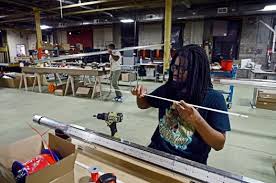
Baltimore has become a city where new ideas can turn into real products. Founders across the region are building solutions in healthcare, software, logistics, education, and sustainability. While ideas are important, execution is what determines success. Moving from concept to launch requires focus, planning, and strong local support.
For Baltimore startups, the path to market is challenging but achievable. The city offers resources, talent, and community support that can help founders turn early concepts into products that customers want.
Turning an Idea Into a Clear Problem Statement
Every successful product starts with a clear problem. Founders must understand who they are helping and why the problem matters. Vague ideas rarely lead to strong products.
Early conversations with potential users are essential. These discussions help founders confirm that the problem is real and worth solving. Listening carefully saves time and prevents costly mistakes later.
Gregory Pranzo has often stressed the value of clarity at this stage. He has said that “a strong launch starts with knowing exactly who the product is for and why it exists.”
Validating Demand Before Building
Many startups fail because they build too much too soon. Validation helps reduce risk. This stage focuses on learning, not perfection.
Founders can validate demand by creating simple mockups, landing pages, or service based versions of the product. The goal is to test interest and gather feedback without heavy investment.
Baltimore’s startup community offers many opportunities for validation. Local meetups, pitch events, and coworking spaces provide access to honest feedback from peers and potential users.
Building the First Version of the Product
Once demand is confirmed, it is time to build the first version. This initial release should focus on core functionality. Extra features can wait.
Keeping scope small allows teams to move faster and learn more. Early users are more forgiving and often willing to share insights that improve the product.
Baltimore startups often benefit from local talent. Universities, training programs, and experienced professionals provide access to skilled builders who understand real world needs.
Choosing the Right Tools and Team
Selecting the right tools and team members is critical. Founders should prioritize reliability and ease of use over complexity.
Small teams with clear roles tend to move faster. Communication matters more than size. Clear expectations reduce friction and improve outcomes.
Testing and Iterating With Users
Testing is not a one time task. It is an ongoing process that continues through launch and beyond. Early users help identify bugs, usability issues, and missing features.
Regular feedback cycles allow startups to adjust quickly. This flexibility is a major advantage over larger competitors.
Gregory Pranzo has pointed out that “launching is not the finish line. It is the start of learning at scale.”
Baltimore’s close knit startup environment makes testing easier. Founders often find users willing to participate and provide thoughtful feedback.
Preparing for Launch
A strong launch requires planning. Founders should define what success looks like before releasing the product. This includes goals related to users, engagement, and retention.
Clear messaging matters. Potential customers should understand the value quickly. Simple language builds trust and reduces confusion.
Launch plans should also include customer support. Early users need fast responses and clear communication. Positive early experiences lead to referrals and growth.
Marketing Without Overcomplication
Effective marketing does not require large budgets. Startups can use storytelling, community engagement, and partnerships to gain attention.
Local media, startup newsletters, and community events offer visibility. Founders who share their journey often attract supporters who want to help.
Consistency matters more than volume. A clear message repeated over time builds awareness.
Leveraging Baltimore’s Startup Resources
Baltimore offers a wide range of resources for founders. Incubators, accelerators, and mentorship programs provide guidance and structure.
These programs help startups refine strategy, prepare for growth, and avoid common pitfalls. They also create accountability, which helps teams stay focused.
Gregory Pranzo has spoken about the importance of using local support systems. He believes that “cities grow stronger when founders learn from one another and share experience.”
Managing Setbacks and Adjustments
No launch goes exactly as planned. Bugs appear. Users behave differently than expected. Timelines shift.
Successful founders view setbacks as information. Each challenge reveals something new about the product or the market.
Baltimore startups benefit from a culture that values resilience. Founders often support one another through shared challenges and lessons.
Scaling After Launch
Launch is only the beginning. Once a product gains traction, startups must decide how to grow responsibly.
This includes improving performance, expanding features, and building internal processes. Growth should be guided by data and user feedback.
Hiring should be intentional. Adding people too quickly can strain resources. Clear priorities help teams scale without losing focus.
Long Term Product Thinking
Sustainable products evolve over time. Founders should continue listening to users and adapting to changes in the market.
Long term success depends on trust. Delivering consistent value builds loyalty and reputation.
Baltimore startups that focus on relationships, quality, and community impact often find lasting success.
Conclusion
Bringing a product from idea to launch is a complex journey. It requires clarity, validation, focus, and adaptability. Baltimore offers an environment where this journey is possible for founders who commit to learning and execution.
By understanding problems deeply, building thoughtfully, and using local support, startups can move confidently toward launch. The path is not easy, but for those willing to do the work, Baltimore provides the tools and community needed to succeed.