

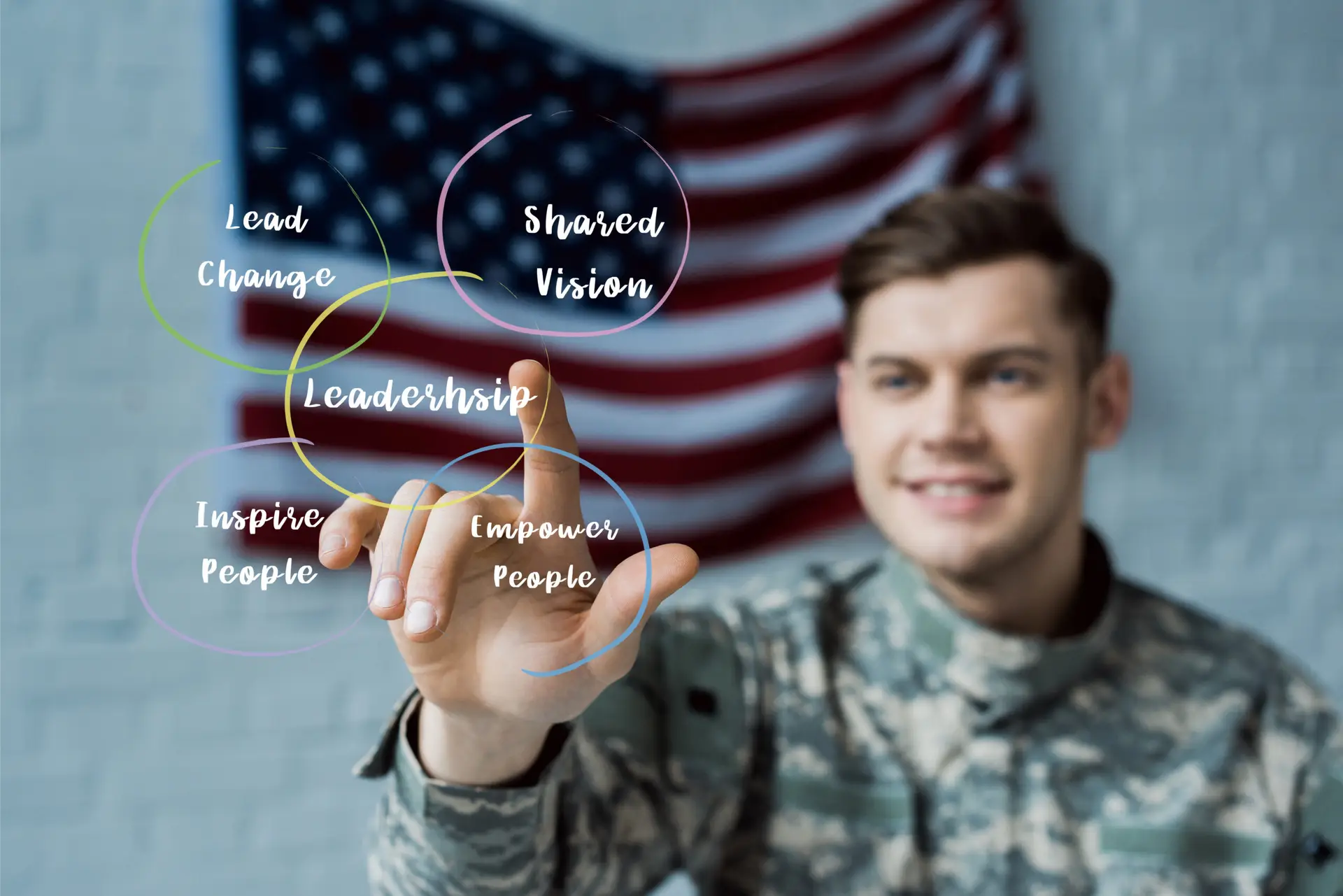
Military experience builds a type of leadership that is practical, disciplined, and focused on results. These skills are not limited to service environments. They transfer directly into business and civilian careers in powerful ways. Veterans often bring a level of structure, clarity, and resilience that strengthens teams and improves outcomes.
Michael Carrozzo’s background in military service and law offers a clear example of how these skills carry forward. The lessons learned in uniform often become the foundation for success in civilian leadership roles.
Discipline Creates Consistency and Reliability
Discipline is one of the most important skills developed in the military. It is not just about following orders. It is about building habits that lead to consistent performance. In civilian workplaces, discipline shows up in punctuality, preparation, and follow through.
Professionals who develop discipline are more reliable. They complete tasks on time and maintain steady performance even under pressure. This creates trust within teams and organizations. Leaders rely on people who consistently deliver results without needing constant supervision.
In military environments, discipline is reinforced daily. Standards are clear and expectations are consistent. This structure carries over into civilian careers where self discipline becomes essential. Without it, performance can become inconsistent and unpredictable.
Leadership Under Pressure Builds Strong Decision Making
Military leaders are trained to make decisions under pressure. Situations often change quickly and require immediate action. There is rarely time for long deliberation. This builds confidence in decision making and the ability to stay calm in stressful environments.
In business, pressure is common. Deadlines, financial goals, and team challenges all require clear thinking. Veterans often excel in these situations because they are used to evaluating risk and acting with limited information.
This ability to remain composed leads to better outcomes. Leaders who panic or hesitate can slow progress. Those who stay focused and make clear decisions help teams move forward efficiently.
Michael Carrozzo often emphasizes that this ability to stay steady under pressure is one of the most valuable skills carried from military service into civilian leadership roles. It shapes how problems are approached and resolved.
Strategic Thinking Improves Planning and Execution
Military operations require careful planning. Leaders must consider multiple factors, anticipate challenges, and develop flexible strategies. This kind of thinking translates directly into business environments where planning is essential for success.
In civilian roles, strategic thinkers are able to see the bigger picture. They understand how individual tasks connect to larger goals. This helps organizations operate more efficiently and avoid unnecessary setbacks.
Strategy also involves adaptability. Plans often change, and leaders must adjust quickly without losing focus. Veterans are trained to reassess situations and modify their approach as needed. This flexibility is a major advantage in fast changing environments.
Michael Carrozzo has applied this type of thinking throughout his career in both law and leadership roles. The ability to plan carefully while remaining flexible is a key factor in long term success.
Team Leadership Builds Trust and Accountability
Military leadership is built on trust. Leaders are responsible not only for results but also for the people they lead. This creates a strong sense of accountability and responsibility.
In business, effective teams rely on trust between leaders and employees. When people trust their leader, they are more willing to follow direction, take initiative, and collaborate. Veterans often excel at building this trust because they understand the importance of clear communication and consistent expectations.
Accountability is another key element. Military leaders are trained to take responsibility for outcomes, both positive and negative. This mindset carries into civilian leadership where accountability strengthens credibility.
Teams perform better when everyone understands their role and takes ownership of their responsibilities. Leaders who model accountability set the tone for the entire organization.
Communication Skills Improve Clarity and Efficiency
Clear communication is essential in the military. Instructions must be understood quickly and accurately. Miscommunication can lead to serious consequences. This creates a strong focus on clarity and precision.
In business environments, communication is just as important. Leaders must ensure that expectations are clearly understood and that teams have the information they need to succeed. Veterans often bring this clarity to their roles, reducing confusion and improving efficiency.
Good communication also involves listening. Military leaders are trained to assess feedback and understand different perspectives before making decisions. This improves team collaboration and problem solving.
Michael Carrozzo’s experience in both military and legal environments highlights how important communication is to effective leadership. Clear communication builds stronger teams and better results.
Adaptability Strengthens Performance in Changing Environments
Military service teaches adaptability. Conditions can change without warning, and leaders must adjust quickly. This ability to remain flexible is essential in civilian careers where change is constant.
In business, markets shift, projects evolve, and priorities change. Leaders who can adapt without losing focus are more effective in managing these transitions. Veterans are used to adjusting plans while still maintaining direction and purpose.
Adaptability also helps with problem solving. Instead of being discouraged by obstacles, military trained leaders look for solutions and alternative approaches. This mindset improves resilience and long term performance.
Resilience Builds Long Term Success
Resilience is developed through experience in challenging environments. Military service exposes individuals to pressure, uncertainty, and setbacks. Over time, this builds mental strength and the ability to recover from difficulties.
In civilian life, resilience is essential for long term success. Careers involve setbacks, failures, and unexpected challenges. Leaders who remain resilient are able to learn from these experiences and continue moving forward.
Resilience also influences leadership style. Calm, steady leaders help teams remain focused during difficult times. This creates stability within organizations and improves overall performance.
Mentorship Strengthens Future Leaders
Many veterans naturally take on mentorship roles in civilian careers. The experience of guiding others in high pressure environments translates into helping younger professionals grow and develop.
Mentorship involves sharing experience, offering guidance, and helping others avoid common mistakes. It also involves encouragement and support. Leaders who invest in others strengthen the overall capability of their teams.
Michael Carrozzo has consistently emphasized the importance of mentorship in leadership development. Supporting others is not just beneficial for individuals. It strengthens organizations and builds future leaders.
Conclusion
Military leadership skills provide a strong foundation for success in business and civilian careers. Discipline, decision making, strategic thinking, communication, adaptability, resilience, and mentorship all translate directly into professional environments.
Michael Carrozzo’s career reflects how these skills can be applied across different fields. The ability to remain disciplined, think strategically, communicate clearly, and lead under pressure creates lasting value in any organization.
These skills are not limited to military service. They are practical tools that improve performance, strengthen teams, and support long term success in civilian life.
