
Close Menu
iTechArtGroup
    Facebook X (Twitter) Instagram
    Trending
    • Pope Leo XIV Completes First South America Trip Weeks After Lung Cancer Surgery
    • An Engineered Protein Cuts Alzheimer’s Brain Deposits in Mice by Half
    • America’s Longest Shutdown: 43 Days That Closed the Federal Government
    • The First CRISPR Medicine Rewrites the Treatment of Sickle Cell Disease
    • Panduan Lengkap Pemain Baru di situs gwp555: Mulai dengan Aman dan Menyenangkan
    • Why Does Slot Maxwin Require Patience During the Base Game Phase?
    • The Changing Role of Digital Platforms in Casino Entertainment
    • Digital Transformation and the Changing World of Casino Entertainment
    Facebook X (Twitter) Instagram YouTube
    iTechArtGroup
    • Home
    • Technology
    • Business
    • Finance
    • Health
    • Education
    • Reviews
    iTechArtGroup
    Home»Blog»An Engineered Protein Cuts Alzheimer’s Brain Deposits in Mice by Half
    Blog

    An Engineered Protein Cuts Alzheimer’s Brain Deposits in Mice by Half

    Leonor FernandesBy Leonor FernandesNovember 22, 2026No Comments3 Mins Read0 Views
    Facebook Twitter Pinterest LinkedIn Telegram Tumblr Email
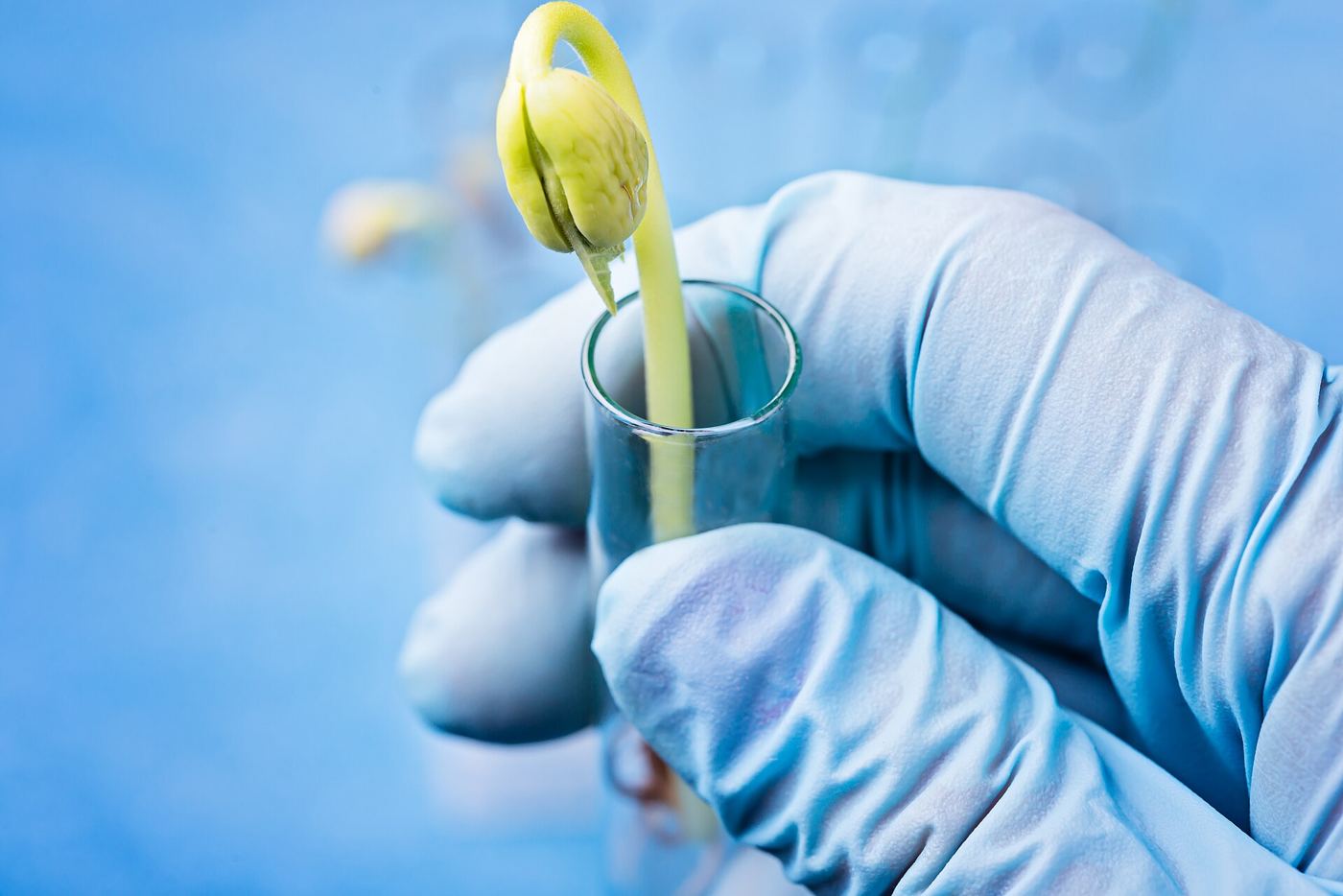
    A scientist working with test tubes in a research laboratory.

    A research team in South Korea has found that an engineered protein can cut the harmful deposits linked to Alzheimer’s disease in the brains of mice by about half. The team, led by Professor Mi Hee Lim at the Korea Advanced Institute of Science and Technology, reported on 5 November 2026 that a protein involved in gene regulation can suppress the clumping of amyloid-beta, the peptide that builds up in the brains of people with Alzheimer’s. The findings were published in the journal Advanced Science. The researchers used a segment of a zinc finger protein, called ZF2-4, which binds directly to the parts of amyloid-beta involved in its aggregation. In experiments, it stopped long, toxic fibrils from forming and broke down fibrils that had already formed into shorter, less toxic fragments.

    What the Evidence Shows

    To get the protein into the brain, the team attached a short peptide that helps it cross the blood-brain barrier, creating a variant named ZF2-4-P9. When given to a mouse model of Alzheimer’s disease, amyloid-beta deposits in the cerebral cortex and the hippocampus each fell by about 53 percent compared with untreated mice, and the treated mice showed improved memory recognition. The treatment also calmed overactive microglia, the brain’s immune cells, reducing their activation by about 29 percent in the cortex and about 50 percent in the hippocampus. The work was done in collaboration with teams at Jeonbuk National University and several Korean research institutes. The researchers stress that this is early work in animals, but it opens a possible route toward new Alzheimer’s treatments. The team also showed that the protein reduced the toxicity of aggregates that had already formed, rather than only preventing new ones from appearing. Reporting and analysis from sources such as Nature track the same developments, and specialists following the engineered zinc finger protein say the direction is now consistent across independent lines of evidence.

    The Wider Context

    The wider context is a research landscape in which replication and open data now decide reputations. Findings connected to the engineered zinc finger protein are being checked by independent groups with shared datasets, and the teams involved publish their methods in full so rivals can test every step. That discipline is slower than a headline cycle, but it is why results in this area increasingly survive first contact with scrutiny.

    What Happens Next

    What happens next in the story of the engineered zinc finger protein will be decided by follow-up work already under way: larger samples, longer observation and instruments that have not yet come online. The researchers involved are unusually united on one point, that the current results justify the next investment of time and money. Readers will not have to wait long for the first tests of that claim. You can follow related developments in our coverage of science.

    None of this will be settled by a single announcement, study or product launch. The pattern to watch is accumulation: independent confirmations, honest reporting of failures and steady improvement in the underlying numbers. Readers who follow those signals, rather than the loudest claim of the week, will understand this subject better than most of the commentary surrounding it suggests is possible.

    Alzheimer's disease KAIST protein
    Leonor Fernandes

    Related Posts

    Pope Leo XIV Completes First South America Trip Weeks After Lung Cancer Surgery

    November 22, 2026

    America’s Longest Shutdown: 43 Days That Closed the Federal Government

    November 21, 2026

    The First CRISPR Medicine Rewrites the Treatment of Sickle Cell Disease

    November 21, 2026

    Panduan Lengkap Pemain Baru di situs gwp555: Mulai dengan Aman dan Menyenangkan

    November 20, 2026

    Why Does Slot Maxwin Require Patience During the Base Game Phase?

    November 20, 2026

    The Changing Role of Digital Platforms in Casino Entertainment

    November 20, 2026
    Leave A Reply Cancel Reply

    Search
    Recent Posts

    We Tested the Asus TUF Gaming T500 – Here’s What We Found

    October 4, 2025346 Views

    Choosing the Right Term Length for Maximum Returns

    April 11, 2026248 Views

    How to Translate WhatsApp Messages on Android and iPhone

    October 4, 2025216 Views

    Why Players Are Switching to LU88 in 2026

    June 16, 2026189 Views

    How Successful Candidates Approach the IBPS RRB Clerk Exam

    January 12, 2026162 Views

    Back Pain in Teenagers Due to Screen Time: Causes & Fixes

    February 27, 2026157 Views
    About Us

    iTechArtGroup delivers expert insights across technology, business, finance, health, education, reviews.

    Trusted platform sharing research, trends, analysis, tools, strategies, innovations for professionals, startups, enterprises, educators, investors. #iTechArtGroup.

    | เว็บพนันออนไลน์ | สล็อตเว็บตรง | สล็อตเว็บตรง | ufabet | สล็อต | เว็บยูฟ่า | เบทฟิก | เว็บสล็อต | WIN79 | ดูบอล | เว็บแทงบอลออนไลน์ | แทงบอล UFABET

    Popular Posts

    Oracle Database on AWS, Azure and Google Cloud: What Multi-cloud Means for a DBA

    November 17, 2026

    Cutting Back on Alcohol Brings Noticeable Health Benefits

    November 17, 2026

    Bottega Desires Outfit Ideas: Modern Streetwear and Everyday Styling Inspiration

    November 13, 2026
    Contact Us

    We appreciate your feedback! If you have a question, need assistance, or would like to connect, please don’t hesitate to reach out. Our team is always here to help you.

    Email: [email protected]
    Phone: +62 823 19299387

    Address: 757 Coffman Alley
    Elizabethtown, KY 42701

     แทงบอลออนไลน์ | แทงบอลออนไลน์ | 로얄클럽 커뮤니티 | 프라그마틱 무료슬롯

    Facebook X (Twitter) Instagram Pinterest YouTube Dribbble
    • About Us
    • Contact Us
    • Disclaimer
    • Privacy Policy
    • Terms and Conditions
    • Write For Us
    • Sitemap
    Copyright © 2026 | All Rights Reserved | iTechArtGroup

    Type above and press Enter to search. Press Esc to cancel.

    WhatsApp us