

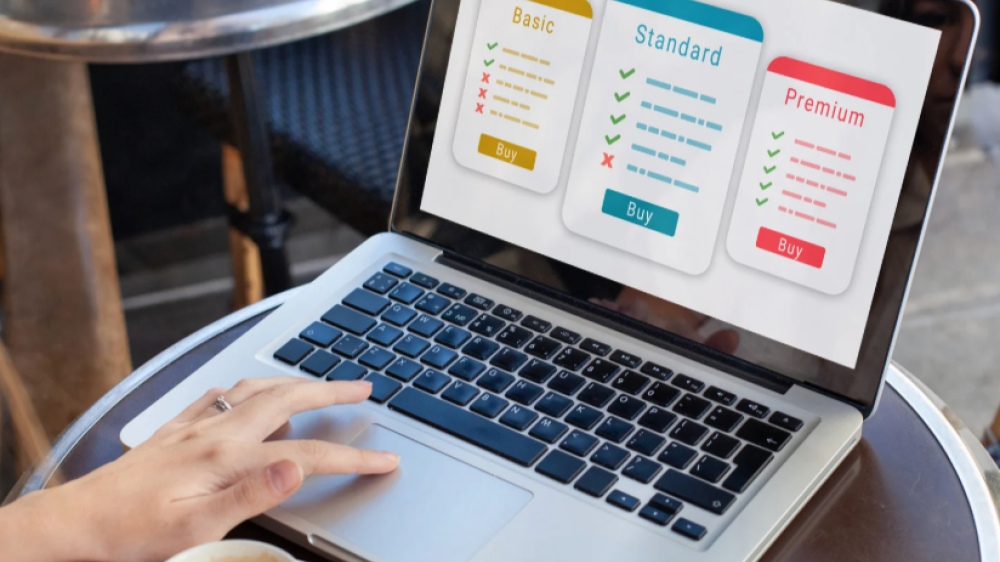
For many years, software subscriptions looked like the future. Big software companies changed their products from one-time payments to monthly or yearly plans. At first, many users accepted this change because subscriptions promised regular updates, cloud storage, and customer support. Today, many people are now searching for a reliable digital software marketplace where they can buy software with full ownership instead of paying monthly fees forever.
But now, people are getting tired.
More users are starting to ask a simple question:
“Why should I keep paying every month for software I already bought?”
This change in thinking is creating a big comeback for one-time software licenses. Customers want freedom, lower costs, and full ownership again. In 2026, this trend is growing faster than ever.
In this article, we will explore why subscription software is losing popularity and why one-time licenses are becoming popular again.
The Rise of Subscription Software
A few years ago, subscription software became common everywhere. Companies like Adobe and Microsoft moved away from lifetime licenses.
Instead of paying once, users had to pay every month.
The idea looked good for companies because it created steady income. Businesses loved predictable revenue. Investors also liked this model because it brought regular cash flow.
For users, subscriptions first looked affordable. Paying $10 or $20 every month felt cheaper than paying $200 at once.
But over time, the hidden problem appeared.
Small monthly payments slowly became expensive yearly costs.
Many users now pay subscriptions for:
- Photo editing tools
- Video editing apps
- Antivirus software
- Password managers
- Productivity tools
- Cloud storage
- Streaming services
- Gaming platforms
When combined together, these monthly payments can become a huge financial burden.
Subscription Fatigue Is Real
Today, people are overwhelmed by subscriptions.
Most internet users already pay for Netflix, Spotify, YouTube Premium, cloud storage, and many mobile apps. Adding software subscriptions on top of these services is becoming too much.
This problem is called “subscription fatigue.”
Users are now carefully checking their monthly expenses and canceling services they do not really need.
A designer who pays for editing software every month may spend hundreds of dollars every year. A gamer may also pay for multiple gaming services at the same time.
Eventually, many users realize:
“I could have owned this software forever for less money.”
That realization is changing the market.
People Want Ownership Again
One of the biggest reasons one-time licenses are returning is simple: ownership matters.
With subscription software, users never truly own the product. If payments stop, access disappears.
This creates frustration.
Imagine working on important files and suddenly losing access because your subscription expired. Many users feel trapped inside endless payment systems.
One-time licenses solve this problem.
Users pay once and continue using the software without worrying about monthly bills.
This gives customers:
- Better financial control
- Long-term savings
- Peace of mind
- Full access without recurring payments
For many people, this feels fairer and more honest.
One-Time Software Is Often Cheaper
Subscriptions may look cheap at first, but long-term costs are usually much higher.
Let’s look at a simple example.
A software subscription costs $15 per month.
That means:
- $180 per year
- $900 in 5 years
Meanwhile, a one-time license might cost only $79 or $149.
This difference is huge.
Many users are now choosing cheap software deals instead of paying forever. More buyers are searching for affordable digital products that offer permanent access without monthly payments.
Gamers Also Prefer Permanent Access
The gaming industry is also seeing this shift.
Subscription gaming services became popular because they offered large game libraries. But many gamers still prefer owning game keys permanently instead of depending on active subscriptions.
Players worry about:
- Games disappearing from libraries
- Losing access after cancellation
- Limited offline access
- Regional restrictions
Owning a game key feels safer and more permanent.
That is why many gamers are now searching for discount game keys that allow them to buy and keep their favorite games forever without recurring payments.
The Economy Is Changing Consumer Behavior
The global economy also plays a major role in this trend.
People are becoming more careful with spending. Inflation and rising living costs force users to prioritize essential expenses.
When money becomes tight, recurring payments are often the first thing users cancel.
One-time purchases feel smarter because they avoid endless monthly charges.
Consumers now think more carefully before subscribing to another service. Many ask:
- Will I use this every month?
- Is this software really worth recurring payments?
- Can I find a lifetime alternative?
These questions are pushing software companies to rethink their pricing models.
Lifetime Deals Are Becoming Popular Again
Another major trend is the return of lifetime software deals.
Many startups now offer lifetime access to attract customers quickly. Users love these deals because they provide long-term value.
Instead of paying every month, customers can buy software once and use it permanently.
This model builds stronger trust between users and companies.
Customers feel respected instead of trapped.
In return, businesses often receive loyal long-term users who recommend the product to others.
This is creating a new market where one-time payment software is becoming competitive again.
Trust Issues With Subscription Models
Another reason subscriptions are struggling is trust.
Some companies continuously increase prices while reducing features. Others lock important tools behind higher payment tiers.
Users feel frustrated when:
- Prices suddenly increase
- Features disappear
- Basic tools become “premium only”
- Cancellation becomes difficult
These practices damage customer trust.
On the other hand, one-time license models feel transparent. Users know exactly what they are paying for.
This simplicity is attractive in today’s market.
Small Businesses Prefer One-Time Costs
Freelancers and small businesses especially prefer one-time licenses.
Managing monthly subscriptions for teams can become expensive very quickly.
A small company using multiple tools may spend thousands every year on recurring software costs.
One-time licenses help reduce operating expenses and improve budgeting.
This is especially important for:
- Freelancers
- Startups
- Remote workers
- Students
- Small agencies
These users often search for affordable software solutions that do not require ongoing payments.
Offline Software Is Returning
Cloud-based software subscriptions dominated the market for years. But now many users are rediscovering offline software.
Offline tools provide:
- Faster performance
- Better privacy
- No internet dependency
- Full control over files
Many users no longer want all their work stored in the cloud. Privacy concerns are increasing, and people are becoming more protective of their data.
One-time offline software feels safer to many users.
This trend is helping traditional software licenses return to popularity.
Developers Are Listening to Customers
Interestingly, many software developers now understand that users want flexibility.
Some companies are creating hybrid pricing models, such as:
- One-time purchase options
- Lifetime plans
- Optional subscriptions
- Buy once, update later models
This approach gives users more freedom.
Instead of forcing subscriptions, businesses are allowing customers to choose what works best for them.
This creates better relationships and stronger brand loyalty.
The Future of Software Pricing
Subscriptions will not disappear completely. Many cloud services and enterprise tools still depend on recurring revenue.
However, the market is clearly changing.
More users now prefer:
- Permanent ownership
- Lower long-term costs
- Flexible pricing
- Lifetime access
- Transparent payments
Software companies that ignore these preferences may struggle in the future.
Meanwhile, businesses offering affordable one-time software licenses and permanent digital products are gaining attention.
The future will likely include a mix of subscriptions and ownership models, but one thing is clear:
Users want more control over what they buy.
Final Thoughts
Software subscriptions once looked unstoppable, but customer behavior is changing fast.
People are tired of endless monthly payments. They want software they can truly own, use freely, and keep forever.
One-time licenses are making a strong comeback because they offer simplicity, value, and freedom.
Gamers, freelancers, businesses, and regular users are all moving toward permanent digital ownership again.
In today’s economy, people want smarter spending choices. They no longer want to rent everything forever.
That is why the demand for lifetime software, permanent licenses, and owned digital products continues to grow in 2026.
