

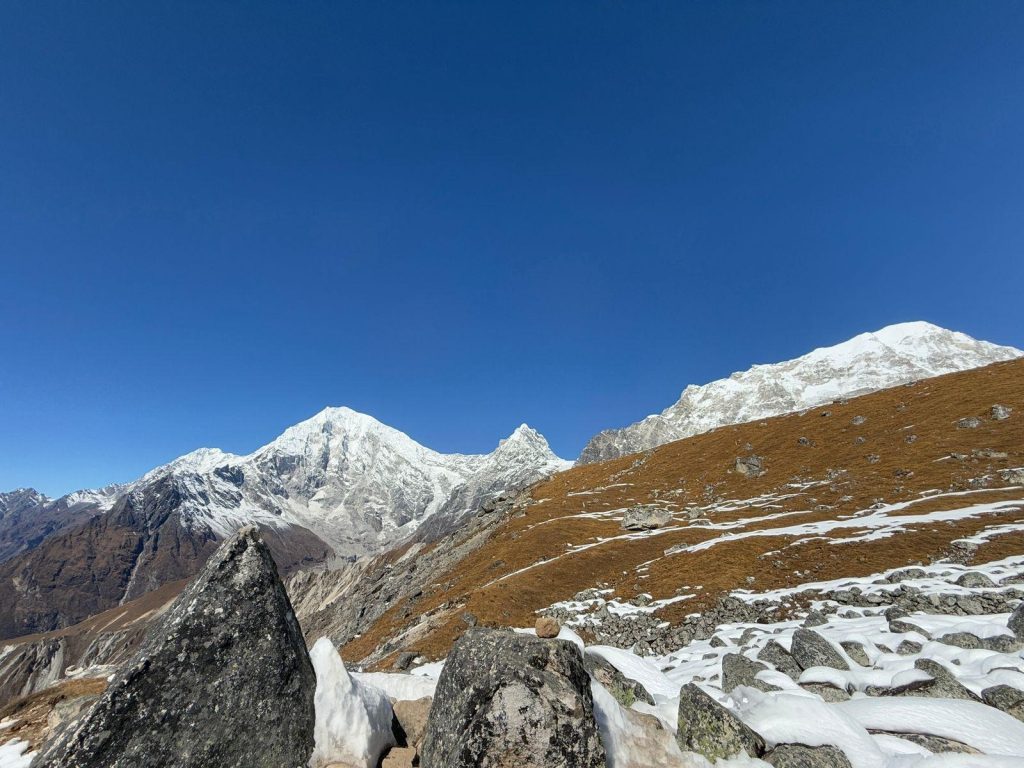
Up there, every breath pulls thinner air into lungs not built for it. When the path climbs, so does the strain on hearts and muscles just trying to keep up. Cold bites deeper the higher you go, adding pressure beyond just thinning oxygen. Bodies react in ways that show clearly when things start tipping off balance. Some notice quicker fatigue; others feel it in restless nights or slow recovery. By 2026, more travelers will track how their bodies respond to stay safe.
The effort isn’t hidden – it shows in pulse rates, breathing patterns, tired steps. With less oxygen entering cells, systems push beyond normal loads. Awareness helps spot warning signs before they grow serious. Staying strong means recognizing what stress looks like at extreme heights. When the body responds to higher elevations, those responses help guide choices on speed, breaks, and water intake.
Heart Rate Variability Shows Stress Levels
When your heartbeat gaps change, that tells a story about stress on the trail to Everest Base Camp. Not every beat comes at even intervals – those shifts show if your body handles pressure or needs rest. Up high, Nephigh in Nepal, tighter spacing between beats can point to tiredness, lack of fluids, or a struggle with elevation. Climbing higher means less oxygen, so watching those pulse pauses gives clues about physical response. People training for the 2026 journey often wear gadgets that log these heartbeat patterns each day. Some days, a drop in HRV hints that pausing could help – especially when climbing higher. Watching it over time lets hikers tune into the body’s effort to keep steady mile after mile.
Oxygen Levels Measured at High Elevations
SpO2, often called blood oxygen level, matters a lot when pushing through tough stretches on the Everest Base Camp hike. Because air gets thinner up high, each breath carries less oxygen – this shifts how cells receive fuel. Changes in elevation along the trail tend to lower these readings gradually. Tracking them gives clues about strain before symptoms show clearly.
Low values can quietly affect thinking sharpness and physical stamina over time. Most who climb track their blood oxygen to know when slowing down helps. When levels dip, stopping longer or stepping lower becomes clear without guesswork. Watching these numbers matters most above the tree line, where thin air tests stamina quietly. Each reading guides choices on the trail, keeping steps steady toward base camp. Body signals mix with data points to stay ahead of fatigue buildup.
Resting Heart Rate and Fatigue Monitor:
Monitoring in mountain zones, even small jumps in resting pulse might be the first sign of struggling more than before. Moving forward along the trail toward base camp in 2026, watching how those numbers shift day by day shows if your system is adjusting well – or not. If the usual rhythm client and Seattle maybe it’s wiser to walk slower or pause longer somewhere quiet.
Most folks overlook how a basic number can reveal hidden strain long before headaches or dizziness hit. When you keep an eye on your pulse each morning, your rhythm gives clues about handling thinning air. Instead of guessing, patterns emerge that match up with tougher climbs ahead. Slow shifts in heartbeat data often signal when to rest rather than push forward.
Perceived Effort and Personal Stress Recognition
Most people feel tired in different ways while climbing Everest’s base camp. Your own sense of effort matters more than numbers when you can’t tell the full story. Though gadgets help, they miss what your body quietly signals at high elevations. Each step uphill reveals strain that heart rate monitors sometimes overlook. Awareness grows with every breath drawn thin in cold Himalayan air.
If effort today seems harder than yesterday without a clear reason, the body might be struggling more behind the scenes. Pausing when signals arise keeps energy steady on long mountain paths. Reaching base camp relies less on pushing through pain and more on noticing quiet warnings along the way.
Sleep Quality and Recovery Tracking
Midnight hours on the Everest trail can whisper warnings before dawn breaks. When rest turns restless, the body might already be fighting thin air and breathing slower up there? That shift messes with deep sleep’s rhythm, which gives clues about how well recovery keeps pace. Even quiet moments between snores hold data worth noticing.
Poor sleep may raise your resting heart rate, lower HRV, yet drag down physical stamina. This mix often boosts chances of feeling sick at high elevations or wearing out fast. Watching how you sleep lets hikers tweak daily effort, drink more water, then add extra rest when needed. Keeping track helps the body bounce back, keeping energy steady on the path to Everest Base Camp.
Wearable Tech Tracks Stress Instantly.
Stress’s base, gadgets worn on the wrist, quietly log how bodies react to thin air. Instead of guessing if something feels off, numbers show shifts in heartbeat, oxygen in blood, or movement throughout the day. Some folks rely on models made by companies such as Garmin or Apple – these track what happens hour by hour while walking uphill. Along the trail planned for 2026, subtle clues pop up through steady monitoring, things a person might overlook.
When tiredness builds slowly – or breath gets shallow – the device already knows. Long stretches of collected info can point to dehydration before dizziness hits. Feedback from sensors helps shape choices without waiting for symptoms to worsen. Wearing tech that tracks inner signals brings clearer pictures of how bodies react while climbing toward Everest Base Camp. Awareness shifts when data flows alongside breath and heartbeat, shaping choices without slowing pace.
Combining Ways to Watch for Safer Rising
Watching your body closely while hiking to Everest Base Camp means using more than just one method. High up in Nepal, the air changes how you feel so that a number won’t work well on its own. Heart rhythm patterns team up with oxygen levels, morning pulse counts, how tired you think you are, plus nighttime recovery clues. These pieces fit together like puzzle parts, showing what your body handles each day. When heading out in 2026, linking these signals can quietly guide when to slow down or pause without guessing.
Early warnings of too much strain help prevent altitude sickness more effectively. Because numbers are checked twice, reading won’t lead to wrong conclusions. When patterns are seen clearly, the body adapts better without unnecessary risks. Success at Everest Base Camp becomes more likely when effort and recovery stay in tune. Safe progress happens not by pushing harder, but by understanding signals earlier.