

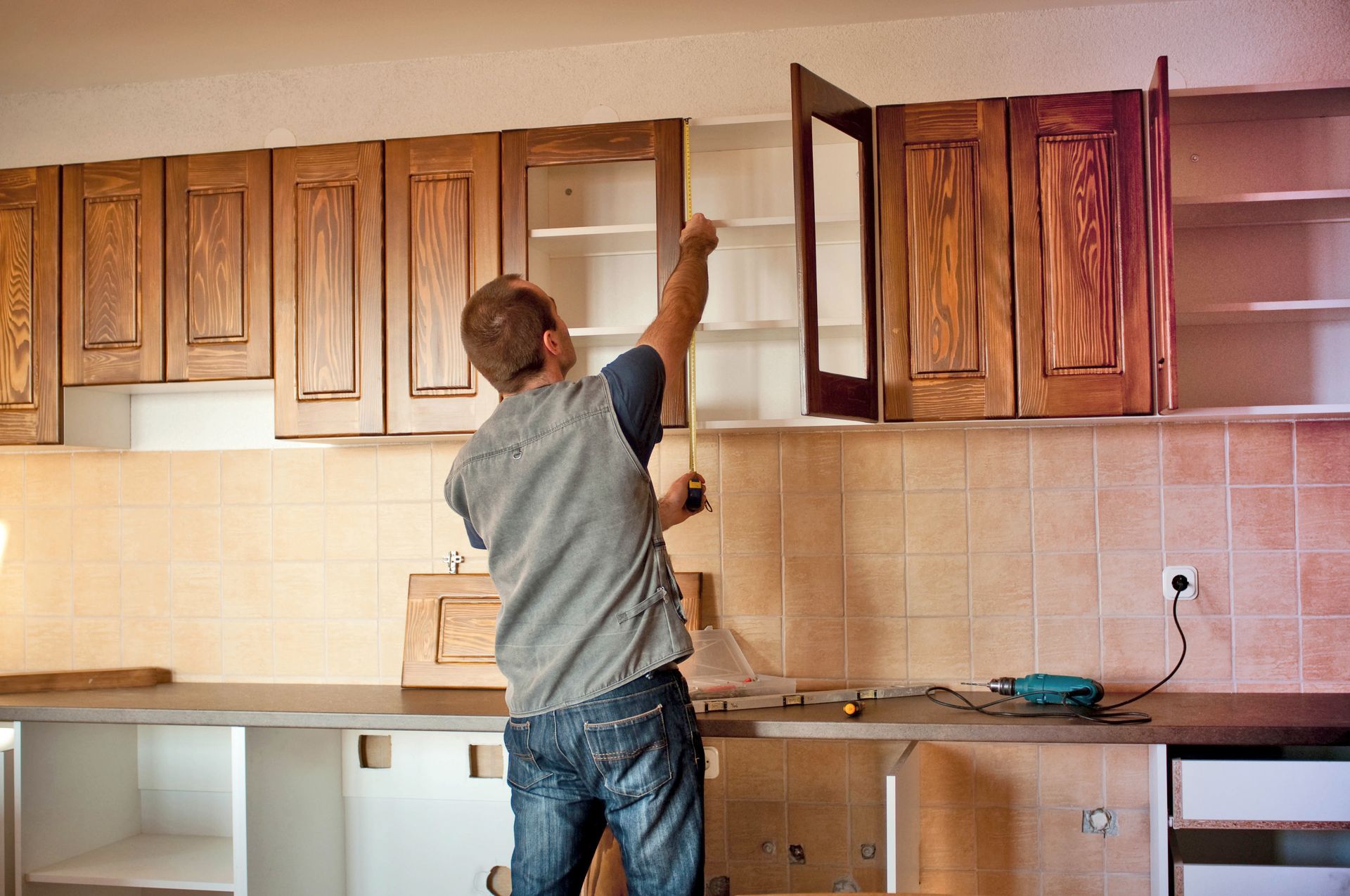
Kitchen and bathroom remodels look exciting at first. New cabinets. Clean tile. Better lighting.
Then the work starts.
Walls open up. Schedules shift. Decisions pile up fast.
Most problems do not come from bad work. They come from missing details early.
If you get the basics right, the project runs smoother.
Remodeling Costs Are High—Mistakes Are Higher
Kitchen and bathroom projects are some of the most expensive home upgrades.
- The average kitchen remodel in the U.S. can range from $25,000 to $75,000+
- Bathroom remodels often fall between $10,000 and $30,000+
- Rework can add 10–30% extra cost
- Home improvement is the #1 source of consumer complaints (Consumer Federation of America)
These numbers show one thing.
Mistakes are expensive.
Most of them can be avoided with better planning.
Start with How You Use the Space
Function Comes Before Design
Before picking colors or materials, focus on how the space works.
Ask simple questions:
- Where do you stand the most?
- What feels cramped?
- What slows you down?
One contractor shared a real example:
“A client wanted a large island because they saw it in a showroom. When we taped the size on the floor, they realized it blocked the path to the fridge. We cut it down by a foot. That change fixed the flow.”
Layout decisions matter more than style.
Walk the Room Before Final Plans
Stand in the space. Move around.
Open imaginary cabinet doors. Pretend to cook. Pretend to use the sink.
This reveals problems drawings miss.
Know Who Is Running Your Project
One Point of Responsibility Matters
Many remodeling projects involve multiple people.
- sales rep
- designer
- project manager
- subcontractors
If no one clearly owns the project, confusion grows.
Rick Bainbridge Crew once described a common issue:
“I saw a job where the homeowner thought the sink would be centered under the window. The plan had it off by three inches. Nobody caught it because five people were involved.”
Ask directly:
- Who supervises the project daily?
- How often will they be on-site?
Clear answers reduce problems.
Understand the Order of Work
Construction Is a Sequence
Remodeling follows a strict order:
- demolition
- framing
- plumbing and electrical
- drywall
- cabinets and fixtures
- finishes
If this order breaks, delays happen.
A builder shared this story:
“The tile arrived before plumbing was finished. The tile crew had to leave. They came back two weeks later. That one mistake pushed everything back.”
Good planning keeps the sequence tight.
Expect Surprises When Walls Open
Hidden Issues Are Common
Older homes often hide problems:
- outdated wiring
- water damage
- uneven framing
You cannot see these before demolition.
Plan for adjustments.
One contractor recalled a bathroom project:
“We opened the wall and found a pipe placed right where the niche was planned. We had to move the niche and adjust the tile layout. That decision happened on the spot.”
Flexibility is part of the process.
Materials and Timing Matter
Delays Happen More Than You Think
Cabinets, fixtures, and tile do not always arrive on time.
Supply issues can delay projects.
Order key items early.
Check Materials Before Installation
Inspect materials when they arrive.
Look for damage, wrong sizes, or missing parts.
One builder shared a simple mistake:
“Cabinets showed up two inches shorter than the plan. We caught it before installation. If we hadn’t, the counters would not have fit.”
A quick check prevents major issues.
Communication Drives the Project
Most Problems Come from Misunderstanding
Houzz reports that 36% of homeowners experience high stress during renovations. The main causes are delays and unclear communication.
Keep communication direct.
Ask questions early.
Confirm decisions in writing.
Walk Through Key Milestones
Review the project at major stages:
- after demolition
- after framing
- before cabinets
- before tile
These checkpoints allow corrections before work moves forward.
Budget for Reality, Not Just Plans
Costs Can Shift
Even well-planned projects change.
Hidden issues, material upgrades, or design tweaks can increase costs.
Set aside extra funds for adjustments.
Focus on Value, Not Just Price
Cheaper options can cost more later.
Durable materials and proper installation save money over time.
One contractor explained it clearly:
“A client chose a low-cost faucet. It failed within a year. Replacing it cost more than buying a better one upfront.”
Quality matters.
Common Mistakes Homeowners Make
Rushing Decisions
Fast choices lead to regrets.
Take time during planning.
Skipping Detailed Plans
Vague plans create confusion.
Every detail should be clear before work begins.
Ignoring Daily Function
A space that looks good but works poorly creates frustration.
Not Asking Enough Questions
Silence leads to assumptions.
Assumptions lead to mistakes.
Practical Steps Before You Start
Create a Clear Plan
List everything:
- layout
- materials
- fixtures
- finishes
Confirm Measurements
Small errors cause big problems.
Double-check key dimensions.
Choose the Right Team
Look for experience and clear communication.
Ask for examples of past work.
Set Realistic Expectations
Projects take time.
Delays happen.
Plan accordingly.
The Bottom Line
Kitchen and bathroom remodels improve how a home works.
They also involve many moving parts.
Most problems come from missing details early.
Focus on function. Ask clear questions. Stay involved.
Small steps at the start lead to better results at the end.
