

Introduction
Didier Digard represents a compelling story in modern football one defined by resilience, adaptability, and a deep understanding of the game. From his early beginnings in France to his transition into coaching, Digard’s career reflects both the challenges and opportunities that shape professional footballers. His path is not merely about appearances or statistics, but about growth, leadership, and a commitment to the sport.
Trang cá cược bóng đá uy tín provides a detailed analysis of Didier Digard’s career, exploring his playing style, club journey, and transformation into a coach, offering readers a clear and trustworthy overview.
Early Life and Football Foundations
Youth Development and First Steps
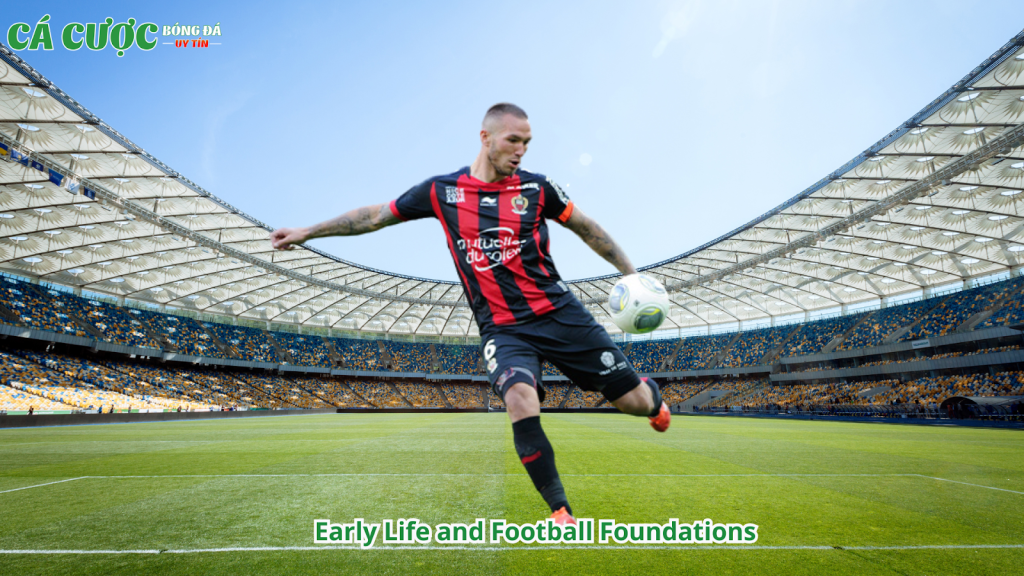
Didier Digard was born on July 12, 1986, in France. His passion for football began at a very young age, and he joined local youth systems where his potential quickly became evident. His development took a significant step forward when he joined the academy of Le Havre, a club well known for nurturing young talent.
At Le Havre, Digard refined his understanding of the game. Initially playing in more advanced roles, he eventually settled into the defensive midfield position—a role that would define his career. His progression through the academy demonstrated both technical growth and mental discipline, despite early challenges in temperament.
Professional Career Development
Breakthrough at Le Havre
Digard made his professional debut with Le Havre in 2004. Over the following seasons, he established himself as a reliable presence in midfield. His performances were characterized by strong tackling, positional awareness, and the ability to disrupt opposition play.
He accumulated significant playing time and gained valuable experience, setting the stage for a move to a higher level of competition.
Transition to Paris Saint-Germain
In 2007, Digard signed with Paris Saint-Germain. This move represented a major step in his career, placing him in one of France’s most competitive football environments. While he showed promise early on, injuries and limited opportunities affected his consistency.
Despite these challenges, his time at PSG contributed to his tactical understanding and exposed him to high-level football demands.
Experience Abroad and Challenges
Middlesbrough and the Premier League
Digard’s move to Middlesbrough in 2008 marked his entry into English football. The Premier League’s physical intensity suited his playing style, and he demonstrated his ability to adapt quickly.
However, injuries became a recurring issue during this period. While he delivered notable performances, including contributions in key matches, his progress was hindered by physical setbacks. This phase of his career highlighted both his potential and the unpredictable nature of professional sports.
Return to France with Nice
A turning point came when Digard joined OGC Nice. Initially arriving on loan, he later secured a permanent move and became a central figure in the team.
At Nice, he regained form and confidence. His leadership qualities emerged strongly, and he was eventually appointed team captain. Under his influence, the team achieved stability and competitive results in Ligue 1.
His role extended beyond defensive duties, as he contributed to the team’s structure, organization, and overall balance.
Later Career and Transition
Final Playing Years
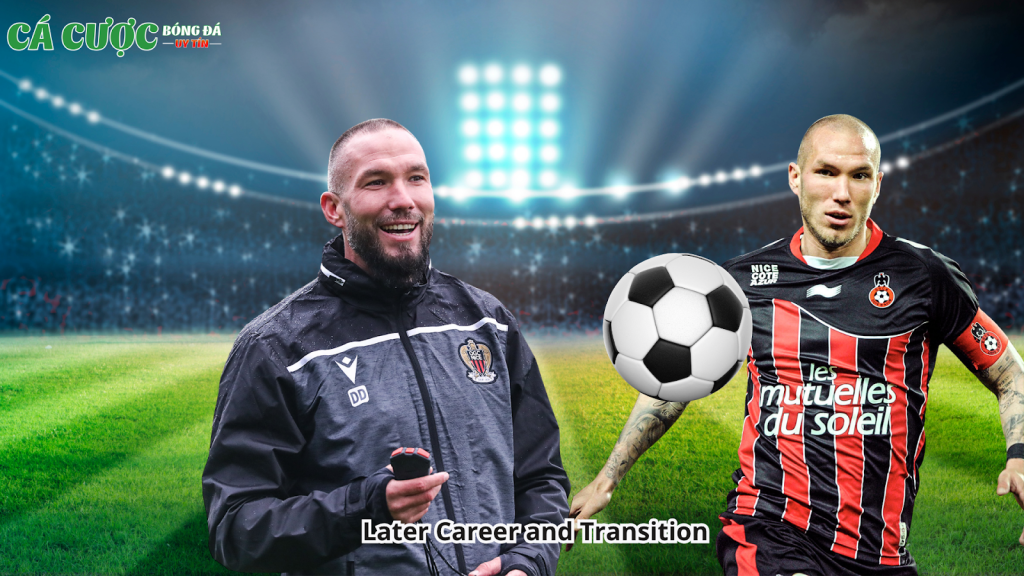
After his successful period at Nice, Digard continued his career with clubs such as Real Betis and Osasuna. Unfortunately, injuries continued to impact his availability and performance.
His later years as a player were marked by shorter stints and limited appearances, ultimately leading to his retirement from professional football. While these years were challenging, they played a crucial role in shaping his perspective on the game.
Playing Style and Tactical Profile
Defensive Intelligence and Physical Presence
Didier Digard was primarily known as a defensive midfielder. His style of play focused on:
- Breaking up opposition attacks
- Maintaining positional discipline
- Supporting transitions between defense and attack
He combined physical strength with tactical awareness, making him effective in shielding the defensive line. His ability to read the game allowed him to anticipate movements and intervene at crucial moments.
Leadership on the Field
As captain at Nice, Digard demonstrated strong leadership qualities. He guided younger players, maintained team structure, and contributed to a cohesive playing style.
His influence extended beyond individual performances, reflecting a broader understanding of team dynamics.
Coaching Career and Philosophy
Transition into Coaching
After retiring, Digard transitioned into coaching, returning to Nice in a developmental role. He worked with youth teams before advancing to more senior responsibilities.
In 2023, he was appointed as interim head coach of Nice, marking a significant milestone in his managerial career.
Tactical Approach and Vision
Digard’s coaching philosophy reflects his playing experience. His approach emphasizes:
- Defensive organization
- Tactical discipline
- Team cohesion
He focuses on building structured systems while allowing players to express themselves within defined roles. His ability to connect with players and communicate effectively has been a key aspect of his coaching style.
Personal Life and Character
Beyond football, Digard’s personal life has influenced his development. Becoming a father at a young age instilled responsibility and maturity, shaping his approach both on and off the field.
He is known for his professionalism and resilience, qualities that have helped him navigate the challenges of injuries and career transitions.
Influence and Legacy
Didier Digard’s career may not be defined by global superstardom, but his influence lies in consistency, leadership, and adaptability. He represents a category of players who contribute significantly to team success through discipline and tactical awareness.
As a coach, his journey is still unfolding, but his foundation suggests a promising future in football management.
Conclusion
Didier Digard’s story is one of perseverance and evolution. From a determined young player at Le Havre to a respected captain at Nice and now a developing coach, his journey reflects the multifaceted nature of football careers.
For readers seeking deeper insights into football personalities, understanding figures like Didier Digard provides valuable perspective. Whether you follow the sport through analysis, performance, or platforms like Reputable football betting site, or explore broader football ecosystems including ZBET, recognizing such profiles enhances appreciation of the game.
His career stands as a reminder that success in football is not solely measured by fame, but by impact, growth, and dedication.