

Schools are training tomorrow’s leaders.
Not just in math. Not just in science. In how to treat people.
Students watch everything. They watch how teachers handle stress. They watch how principals make decisions. They notice who gets heard and who gets ignored.
Leadership starts there.
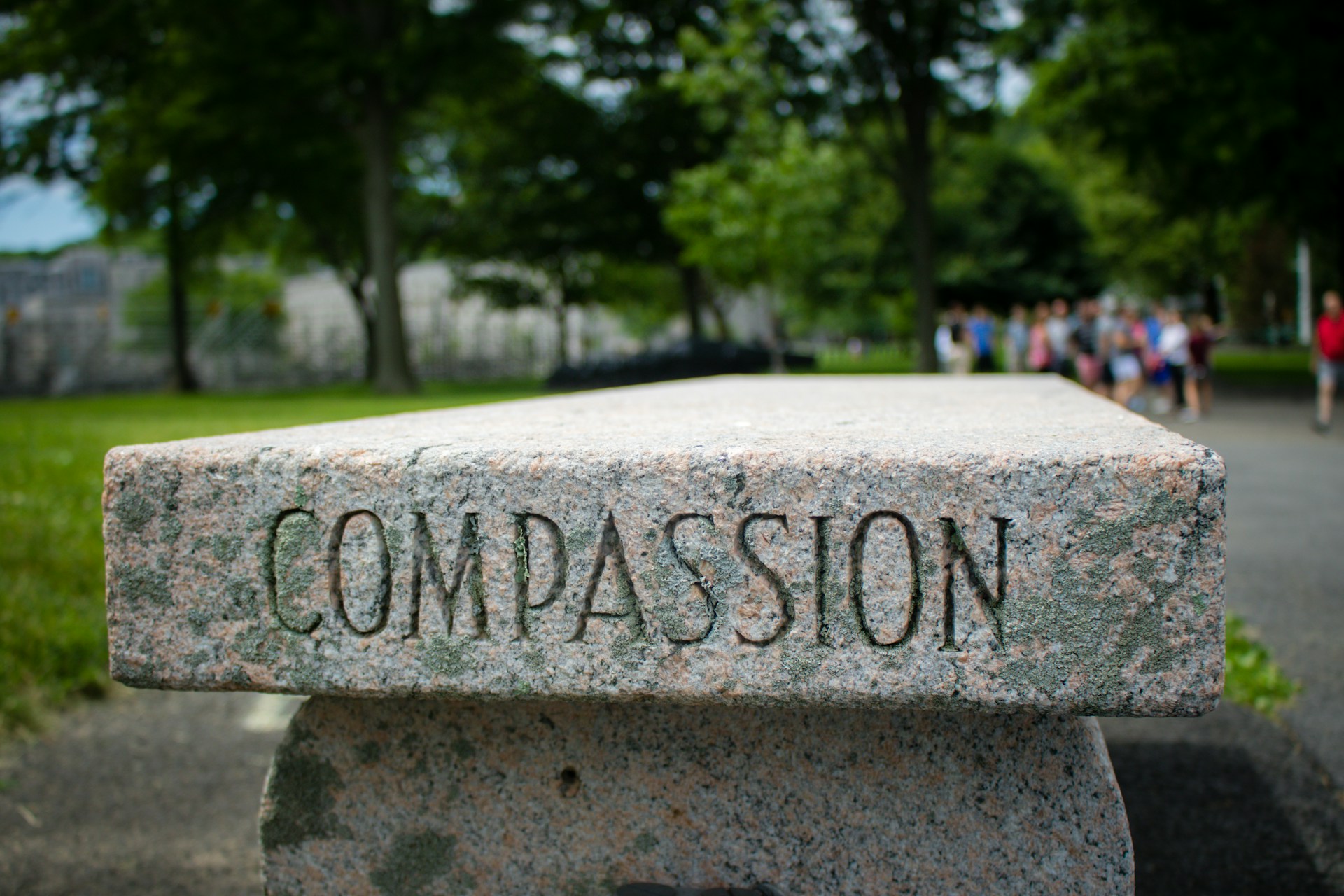
Compassion is not extra. It is not soft. It is a core skill. Schools that ignore it pay the price in burnout, behavior problems, and low motivation.
Schools that embrace it see results.
The Data Is Clear
This is not a feel-good idea. It is backed by numbers.
A Yale study found students are more engaged and perform better when they believe their teacher cares about them. That belief alone changes effort levels.
CASEL reports that schools focused on social-emotional learning see up to an 11% increase in academic achievement.
Workplace Intelligence found that 79% of employees want leaders who show compassion.
Think about that. Most future employees are sitting in classrooms right now.
Gallup found that 1 in 2 students do not believe their teachers care about them.
That is a leadership gap.
Compassion is the fix.
What Compassionate Leadership Actually Means
Compassion is not about being nice all the time.
It is not lowering standards.
It is not avoiding hard conversations.
Compassion means noticing struggle and taking action.
A middle school principal in Massachusetts shared this story at a leadership training:
“One of our eighth graders kept falling asleep in class. Teachers were frustrated. Instead of sending him to detention, we called his mom. Turns out he was staying up late watching his younger siblings while she worked night shifts. We adjusted his workload for two weeks and connected the family to support services. His grades went up. The sleeping stopped.”
That is leadership.
Compassion asks one more question. Then it does something about the answer.
Burnout Is Breaking Schools
Teacher burnout is not a rumor. It is measurable.
A 2023 RAND study found that nearly half of K–12 teachers reported feeling burned out. Teachers leave at higher rates than most other professions.
Burnout hurts students. It hurts school culture. It costs districts money.
Stress changes the brain. Chronic stress reduces focus and decision-making ability. It weakens patience.
Compassion protects against that.
At a recent educator event, a high school teacher from Maine shared a small change:
“I used to walk straight from the parking lot into chaos. Emails. Noise. Demands. Now I sit in my car for five minutes before class. I breathe. I set one goal for the day. I don’t snap at kids as much. I actually listen.”
Five minutes. Big impact.
Compassion starts with self-care.
Students Copy What They See
Students learn leadership by watching adults.
If teachers respond to mistakes with shame, students repeat that pattern.
If teachers respond with curiosity and guidance, students learn to do the same.
A fourth-grade teacher in Colorado tried a simple shift.
“When a student acted out, I stopped asking, ‘What’s wrong with you?’ I started asking, ‘What happened?’ The answers surprised me. One kid said his dog had just died. Another said he hadn’t eaten breakfast. Once we talked, the behavior changed.”
Language shapes culture.
Compassionate leadership creates safer classrooms.
Safer classrooms increase participation.
Participation drives achievement.
The Double Bottom Line in Schools
Performance and compassion can work together.
That idea drives the work of Donato Tramuto; Tramuto Foundation.
The philosophy is simple. You do not have to choose between results and humanity. You can have both.
In schools, that means high standards with real support.
Clear expectations with real listening.
Accountability with real care.
One district leader who attended a leadership session said:
“We stopped measuring only test scores. We added one new metric: student sense of belonging. Within a year, discipline referrals dropped by 18%. Attendance improved.”
Compassion improved performance.
Small Changes That Move the Needle
Schools do not need massive budgets to start.
They need focus.
Start Meetings with a Real Check-In
Take three minutes.
Ask staff to rate their stress level from 1 to 5.
No long speeches. Just numbers.
If most hands show 4 or 5, adjust the meeting.
Shorten it. Shift priorities.
That small move builds trust fast.
Build Micro-Breaks into the Day
Encourage teachers to take five-minute resets between classes.
Set a timer if needed.
Quiet breathing. Short walk. No screens.
Short breaks improve focus. That is proven in workplace studies across industries.
Teach Emotional Skills Directly
Add short lessons on naming emotions.
Teach students how to pause before reacting.
Role-play hard conversations.
CASEL data shows structured social-emotional learning improves both behavior and grades.
This is skill-building. Not fluff.
Celebrate Compassion in Action
Post stories of students helping each other.
Recognize teachers who support struggling families.
Make kindness visible.
Behavior that gets noticed gets repeated.
What Individual Educators Can Do Today
No committee required.
No approval needed.
Start small.
Check in with yourself once a day. Ask, “What do I need right now?”
Model healthy limits. Say, “I can’t answer emails after 8 PM.”
Share real stories. Not polished ones.
A teacher at a past foundation event described this experiment:
“I wrote one sticky note per student during finals week. Just one line. ‘You ask great questions.’ ‘You never give up.’ ‘You help others.’ It took me 20 minutes. A week later I saw kids still carrying them in their binders.”
That is culture change.
One sentence at a time.
Why This Matters Beyond School Walls
Today’s students become managers, doctors, founders, and voters.
If they grow up believing leadership means control and fear, they will repeat it.
If they grow up seeing leadership as strength plus care, they will repeat that instead.
Workplace surveys already show demand for compassionate leaders.
The pipeline starts in classrooms.
Schools are leadership labs.
Ignoring compassion is like ignoring literacy. It shapes everything that follows.
The Bottom Line
Compassion is not soft.
It is strategic.
It improves focus. It reduces burnout. It increases achievement.
The research supports it.
The stories prove it.
The need is urgent.
Schools cannot afford to treat compassion as optional.
Teach it. Model it. Reward it.
Because the students watching today will lead tomorrow.
And they are taking notes.
