

The Numbers Problem
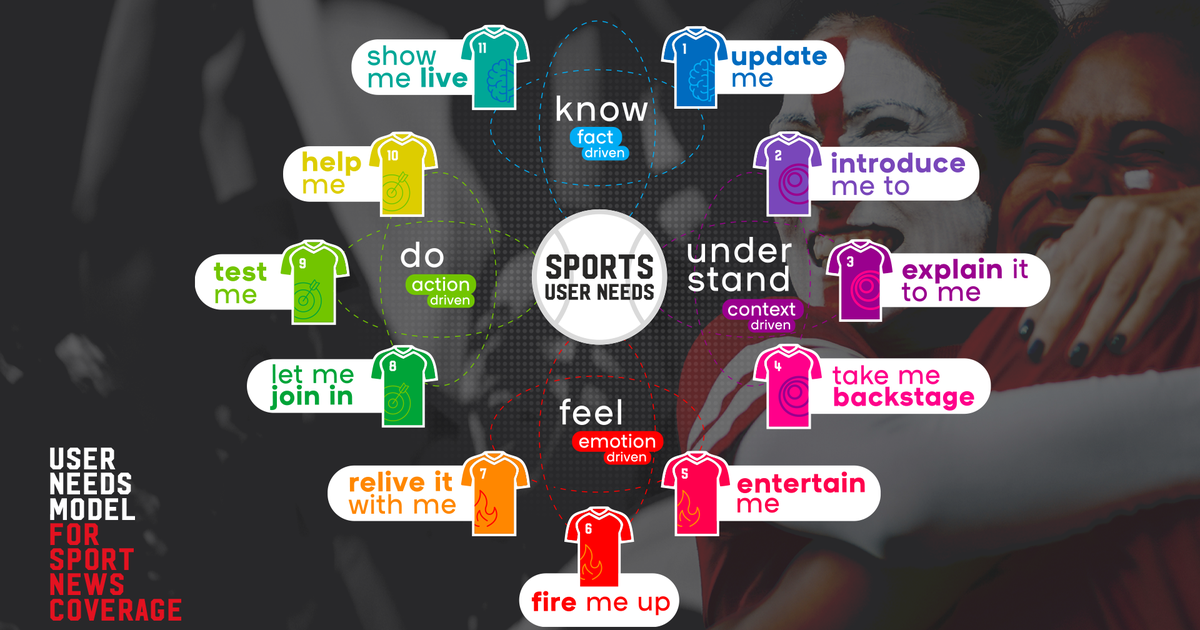
Sports media loves numbers. Player efficiency ratings. Win probability charts. Shot maps. Heat zones. These tools explain performance. They help teams improve. They help analysts debate.
They do not always help fans care.
A Pew Research Center study found that 65% of sports fans prefer behind-the-scenes and personal stories over traditional stat-driven recaps. Nielsen reports that emotion-led sports features keep viewers engaged up to 40% longer than highlight-only segments.
That gap matters. Attention is currency. Engagement is leverage. If audiences stay longer, storytelling wins.
What Analytics Get Right
Clarity and Context
Analytics provide structure. They show trends. They explain strategy.
If a quarterback completes 78% of passes under pressure, that is useful information. If a basketball team scores 60% of its points in the paint, that reveals a pattern.
Analytics answer the question: what happened?
But They Stop There
Numbers rarely explain how something felt. They do not show fear before a game. They do not show doubt after a missed shot. They do not capture the silence of a locker room after a loss.
Fans connect to emotion. Not spreadsheets.
Why Human-Centered Stories Stick
Memory Favors Emotion
A University of Southern California study found that emotional experiences increase long-term memory retention by more than 50%.
That means fans are more likely to remember a moment of vulnerability than a stat line.
They remember the hug between a father and son after a win. They remember the player sitting alone after a mistake. They remember the long pause before an answer.
Sharing Favors Feeling
Meta data shows that sports clips featuring emotional reactions are shared three times more than clips focused only on gameplay or analytics.
People share stories that move them. They rarely share data tables.
Engagement follows emotion.
A Real-World Example
During a Giants training camp, a veteran player was returning from injury. Reporters asked about the upcoming season. One question changed the tone.
“What did it feel like the first night you tried to run again?”
The player described sneaking onto a high school track at night. He made it halfway around before pain forced him to stop. He crawled the rest of the lap. He sat in the grass afterward and wondered if his career was over.
That story reshaped the feature. It moved from strategy to struggle. From performance to persistence.
Rick Saleeby has built much of his work around finding these moments. “If you want people to care,” he once said, “ask about the night nobody saw.”
That line explains the advantage of human-centered reporting.
The Business Case
Attention Drives Loyalty
Longer viewing times lead to stronger brand loyalty. Research from Sports Business Journal shows that emotion-led features increase average watch time by 30 to 40% compared to stat-heavy recaps.
More watch time means more trust. More trust means repeat viewers.
Younger Fans Demand Authenticity
A YouGov study found that 78% of Gen Z sports fans prefer personal narratives over analytics breakdowns.
This generation grew up surrounded by information. Data does not impress them. Honesty does.
Media outlets that ignore this shift risk losing relevance.
What Human-Centered Journalism Looks Like
Watching the Sidelines
Great stories often happen away from the ball. Watch the bench during timeouts. Watch the stands after a big play. Watch the tunnel before kickoff.
Emotion lives there.
Asking Better Questions
Skip generic prompts. Replace “How did that win feel?” with “What was going through your head when you looked at the scoreboard?”
Specific questions lead to specific answers.
Letting Silence Work
Silence carries weight.
After a tough loss, one pitcher stared at the floor for twenty seconds before speaking. The camera stayed on him. No rush. That silence told the story.
Human-centered journalism respects those pauses.
Focusing on One Person
Too many stats create noise. Too many subjects blur the message.
Pick one athlete. Follow their experience. Track their reactions. Build depth.
Depth builds connection.
Analytics as a Tool, Not a Driver
Analytics should support the story, not replace it.
Use stats to frame context. Then move to emotion.
For example: A player shoots 40% from three-point range. That explains performance. Then ask how they trained during the offseason. Ask what doubts they fought. Ask who pushed them to improve.
Stats open the door. Emotion invites people inside.
Practical Recommendations for Newsrooms
- Allocate time for feature segments that focus on personal journeys.
- Train reporters to observe body language and off-camera reactions.
- Build interviews around one or two emotional anchor questions.
- Track engagement data comparing emotional stories versus stat-driven pieces.
- Encourage experimentation with sound, pacing, and silence.
These steps cost little. They improve impact.
Why This Approach Wins Long Term
Analytics-heavy coverage can be replicated easily. Anyone with access to numbers can break down performance.
Human-centered storytelling requires observation, empathy, and curiosity. Those are harder to copy.
That difference creates competitive advantage.
Sports are emotional experiences. Fans invest time, identity, and loyalty. Coverage that ignores emotion ignores the core of why people watch.
Human-centered journalism respects the audience. It treats sports as stories about people, not just performance metrics.
Analytics inform. Emotion connects.
Connection always wins.
