

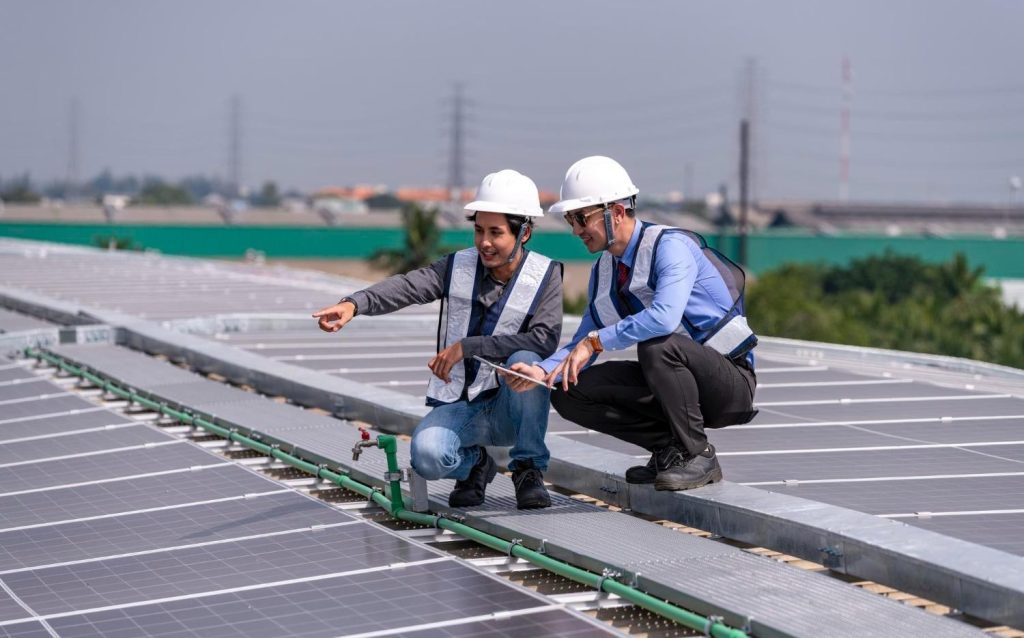
The successful execution of solar energy projects depends on a combination of strategic planning, technical precision, and professional project management. Solar power construction in Dubai is not simply about installing panels; it requires comprehensive planning, careful site assessment, proper module assembly, and integration with modern monitoring technologies. Each phase, from concept and design to final inspection, has a direct impact on efficiency, durability, and energy yield.
Understanding best practices in both planning and execution is critical to achieving optimal performance and long-term reliability. A well-managed project not only delivers clean energy but also maximizes return on investment, reduces operational risks, and ensures compliance with industry standards.
Comprehensive Site Assessment and Planning for Efficient Solar Systems
Effective solar power construction begins with a thorough understanding of site conditions, regulatory requirements, and system feasibility, ensuring that design decisions are grounded in technical accuracy and long-term performance goals.
- Environmental Analysis and Solar Resource Evaluation: Evaluating solar irradiance, shading patterns, and site-specific climate conditions establishes a reliable foundation for system design. This analysis supports accurate panel positioning to maximize energy capture throughout the year. Accounting for seasonal and daily variations early in planning reduces performance losses and improves long-term system efficiency.
- Structural and Spatial Considerations: Assessing roof or ground structures for load-bearing capacity, orientation, and usable area ensures safe and effective installation. Proper spatial planning enables optimal module layout without compromising structural integrity. Adequate clearances for airflow and maintenance contribute to enhanced system durability and consistent performance.
- Regulatory Compliance and Grid Integration: Understanding applicable building codes, permitting processes, and grid interconnection requirements is essential for project viability. Integrating compliance checks into the planning phase minimizes approval delays and redesign risks. Early coordination with utility providers supports seamless grid integration and reliable system operation.
High-Quality PV Module Construction and Installation
The performance and reliability of a solar system depend heavily on how modules are selected, assembled, and installed, making precision-driven construction practices essential for consistent energy output.
- Selection of Certified Solar PV Modules: The quality of PV module construction directly influences system reliability, energy output, and operational lifespan. Certified modules are engineered to withstand environmental stress while maintaining consistent performance. Careful evaluation of technical specifications, efficiency ratings, and manufacturer warranties ensures long-term value and reduced risk of component failure.
- Precision Assembly and Mounting: Accurate alignment, secure mounting, and compliant electrical connections are essential for optimal module performance. Proper torque application, correct tilt orientation, and effective sealing prevent mechanical stress and power losses. Precision during assembly also minimizes future maintenance requirements and supports stable, efficient operation.
- Testing and Quality Verification: Post-installation testing validates electrical safety and performance standards, including insulation resistance and output efficiency checks. Early fault detection allows corrective measures before commissioning. Thorough verification enhances system reliability, reduces operational disruptions, and maximizes overall system lifespan.
Workforce Coordination and Performance Optimization
A well-coordinated workforce forms the backbone of successful solar projects, where skilled professionals, structured oversight, and safety-focused training drive efficiency and execution accuracy.
- Deployment of Skilled Professionals: Assigning experienced engineers, electricians, and technicians to specialized roles ensures accuracy across all installation activities. Skilled professionals execute module assembly, electrical connections, and mounting with precision. This expertise minimizes errors, reduces rework, and supports efficient project execution.
- Subcontractor Oversight: Large-scale solar projects often rely on multiple subcontractors working in parallel. Clear scope definition, coordinated scheduling, and continuous progress monitoring ensure smooth collaboration. Effective oversight prevents workflow conflicts and maintains alignment with project timelines.
- Training and Safety Management: Ongoing training in installation methods, electrical safety, and regulatory compliance strengthens workforce capability. Well-structured safety protocols reduce operational risks and prevent disruptions. A knowledgeable, safety-focused team maintains consistent quality throughout the construction lifecycle.
Integration of Technology and Innovative Practices
Modern solar construction increasingly relies on advanced technologies and innovative installation methods to improve accuracy, reduce timelines, and enhance overall project predictability.
- Monitoring and Data Management: Real-time monitoring systems provide continuous visibility into operational performance and system health. Proactive data analysis enables early detection of irregularities before they impact output. Timely maintenance driven by accurate data ensures consistent energy generation and long-term reliability.
- Advanced Installation Techniques: Modern installation methods, such as prefabricated mounting solutions and modular assemblies, streamline construction workflows. Automated alignment tools improve placement accuracy while reducing manual errors. These innovations enhance efficiency, shorten timelines, and improve overall project consistency.
- Sustainable Construction Practices: Adopting recyclable materials and minimizing installation waste supports environmentally responsible construction. Energy-efficient processes reduce resource consumption throughout project execution. Sustainable practices strengthen project compliance while contributing to long-term operational and environmental value.
Post-Installation Maintenance and Performance Optimization
Long-term system efficiency is sustained through structured maintenance strategies, continuous performance analysis, and timely upgrades that protect energy yield and asset value over time.
- Regular Inspection and Preventive Maintenance: Scheduled inspections of modules, inverters, and electrical systems help detect wear or faults early. Proactive maintenance reduces the risk of unexpected failures and operational downtime. Consistent upkeep preserves system efficiency and extends equipment lifespan.
- Data Analysis for System Efficiency: Performance data collected from monitoring systems enables an accurate assessment of energy output and component health. Identifying underperforming modules or connections allows for timely corrective measures. Data-driven decisions ensure sustained efficiency and optimal system performance.
- Upgrades and Component Replacement: Integrating newer technologies or replacing aging components improves reliability over time. Strategic upgrades enhance system efficiency and support higher energy generation. Planned replacements protect long-term investment value and maintain consistent operational standards.
Final Thoughts
Achieving excellence in solar construction requires a structured approach from planning to execution. Adhering to best practices in site assessment, solar PV module construction, workforce coordination, technological integration, and ongoing maintenance ensures high-performance, reliable, and sustainable solar systems. Each phase contributes to energy efficiency, operational safety, and project longevity. Implementing professional strategies and leveraging modern construction techniques minimizes errors, reduces costs, and maximizes system output. Organizations aiming for efficient and durable solar installations can benefit from expert services that prioritize precision, innovation, and sustainability.
For those seeking end-to-end solar energy solutions, Biston Construction Company provides professional expertise and comprehensive services designed to deliver high-performing, reliable, and future-ready solar projects. Their experience ensures that every installation meets the highest standards of efficiency, safety, and long-term energy generation, offering lasting value and sustainable performance.