

Introduction
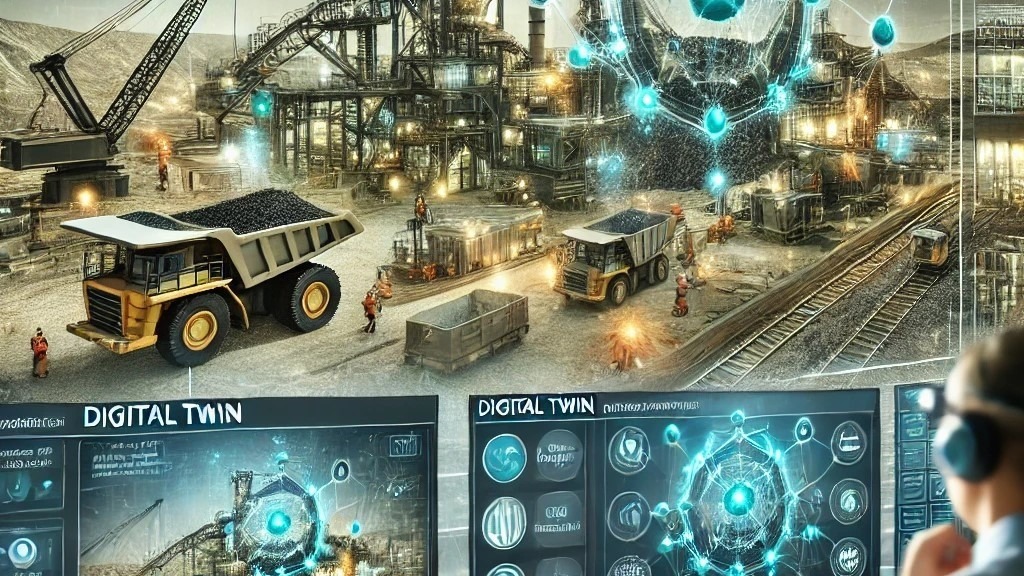
Digital technology is changing many industries, and one of the most impressive changes is happening in the world of mining engineering. Today’s mines are no longer just deep holes in the ground. They are becoming smart, connected, and highly automated. One of the most powerful tools behind this transformation is the digital twin. A digital twin is a virtual model of a real-world system. It can show how a machine, tunnel, or entire mine behaves in real time. This blend of physical and digital information is helping engineers understand problems faster, plan better, and work more safely. Many experts believe that digital twins will soon become a standard tool everywhere, especially for mining companies in South Africa, which operate in complex environments. As the mining world becomes more competitive, digital twins offer a new way to stay efficient, productive, and future-ready.
The Evolution of Digital Technology in Mining
Mining has always depended on tools and machines, but the last decade has seen rapid progress. Powerful computers, smart sensors, and cloud systems have opened new possibilities. Engineers can now collect huge amounts of information from equipment and store it safely. This change affects all parts of the industry, especially mining engineering, which must combine technology with strong planning to keep operations successful. Digital twins fit naturally into this evolution because they help companies visualize everything happening underground or on the surface. As mining grows more complex, digital twins create a simple way to understand complicated systems. Even mining companies in South Africa, which often work with deep and old mines, are starting to adopt these tools because they help reduce risk and prevent equipment breakdowns. This evolution in digital tools shows how the industry continues to move toward smarter and safer operations.
How Digital Twins Improve Planning and Design
One of the biggest advantages of digital twins is the ability to create more accurate designs before starting any work. In many mining projects, planning mistakes can lead to major financial losses. With digital twins, engineers can simulate different designs and test them virtually. This helps them find the safest and most effective plan. This improvement is especially important in mining engineering, where tunnels, shafts, and ventilation systems must be designed carefully. A small error can put workers at risk or reduce production. Because digital twins can predict how real materials and machinery will behave, companies can avoid future problems. Many mining companies in South Africa are now using these tools to design new mining sites or upgrade old ones. By improving planning and design, digital twins help companies save money, protect workers, and begin projects with greater confidence.
Increasing Operational Efficiency Through Real-Time Monitoring
Mining operations involve many moving parts—machines, vehicles, workers, energy systems, and more. Keeping track of everything at once is a major challenge. Digital twins make this easier by offering real-time monitoring. Sensors placed on machines or in tunnels send continuous information to the digital twin. Engineers can see temperatures, vibration levels, air quality, fuel use, and other important data instantly. This ability helps prevent accidents and machine failures. For example, if a conveyor belt begins to overheat, the digital twin will show the problem quickly so teams can repair it before it breaks. This level of monitoring is becoming essential in modern mining engineering, where downtime can cost millions of dollars. Even mining companies in South Africa benefit, as many of their mines operate 24 hours a day and rely heavily on dependable equipment. With real-time digital twins, mines run more smoothly and remain productive.
Enhancing Safety and Risk Management in Mines
Mining is often dangerous, with risks like rock falls, gas leaks, and machine accidents. Digital twins play a major role in improving safety. They can show how underground conditions change moment by moment. If pressure builds up in a tunnel or if equipment starts behaving strangely, the system alerts workers immediately. This helps companies act before a problem becomes serious. For workers in mining, safety is always the top priority, and digital twins offer a new way to protect everyone on-site. Engineers trained in mining engineering rely on these digital tools to understand risks more clearly. Many mining companies in South Africa operate in deep mines where conditions change quickly, making safety even more important. By using digital twins, companies can reduce dangerous situations and create a more secure working environment. This technology proves that safety and progress can work together.
Supporting Sustainability and Environmental Responsibility
Mining affects the environment in many ways, from energy use to land disturbance. Today, companies around the world want to operate responsibly. Digital twins help support sustainability by tracking environmental data in real time. They can show how much water is used, how much fuel machines burn, or how waste is handled. Engineers can experiment with different plans inside the digital model to reduce environmental impact. This has become important in mining engineering, where environmental rules are getting stricter. Mines must operate cleanly if they want long-term success. Digital twins also help mining companies in South Africa meet environmental regulations and community expectations. With better monitoring and data, companies can make greener choices and reduce pollution. These tools help create a balance between economic development and environmental care, which is essential for the future of the industry.
Training Workers and Preparing for Future Challenges
Mining requires skilled workers, and digital twins help train them more effectively. Instead of learning only from textbooks or video lessons, workers can explore a virtual version of the mine. They can practice responding to emergencies or operating heavy equipment in a safe environment. This method improves confidence and reduces mistakes. It also helps new workers understand the mine layout quickly. In many training programs related to mining engineering, digital twins are becoming a key learning resource. This approach is also helping mining companies in South Africa prepare workers for new technology. As mines become more automated, the workforce must be comfortable using digital tools. Training with digital twins helps bridge the gap between traditional mining practices and modern digital operations. This creates a stronger, safer, and more knowledgeable workforce ready for future challenges.
Conclusion
Digital twins are becoming a powerful part of modern mining. They allow engineers to design better mines, monitor safety, improve operations, reduce environmental damage, and train workers more effectively. This technology blends the digital world with real mining environments to create smarter and safer solutions. As the industry moves forward, mining engineering will continue to rely on digital tools to make better decisions. Many mining companies in South Africa are proving that digital twins can improve long-term productivity and safety, even in challenging conditions. The future of mining will likely involve even more advanced digital systems, but digital twins already play a central role. By embracing these tools, the mining world can achieve higher standards, protect workers, and lead the way in modern engineering innovation.