

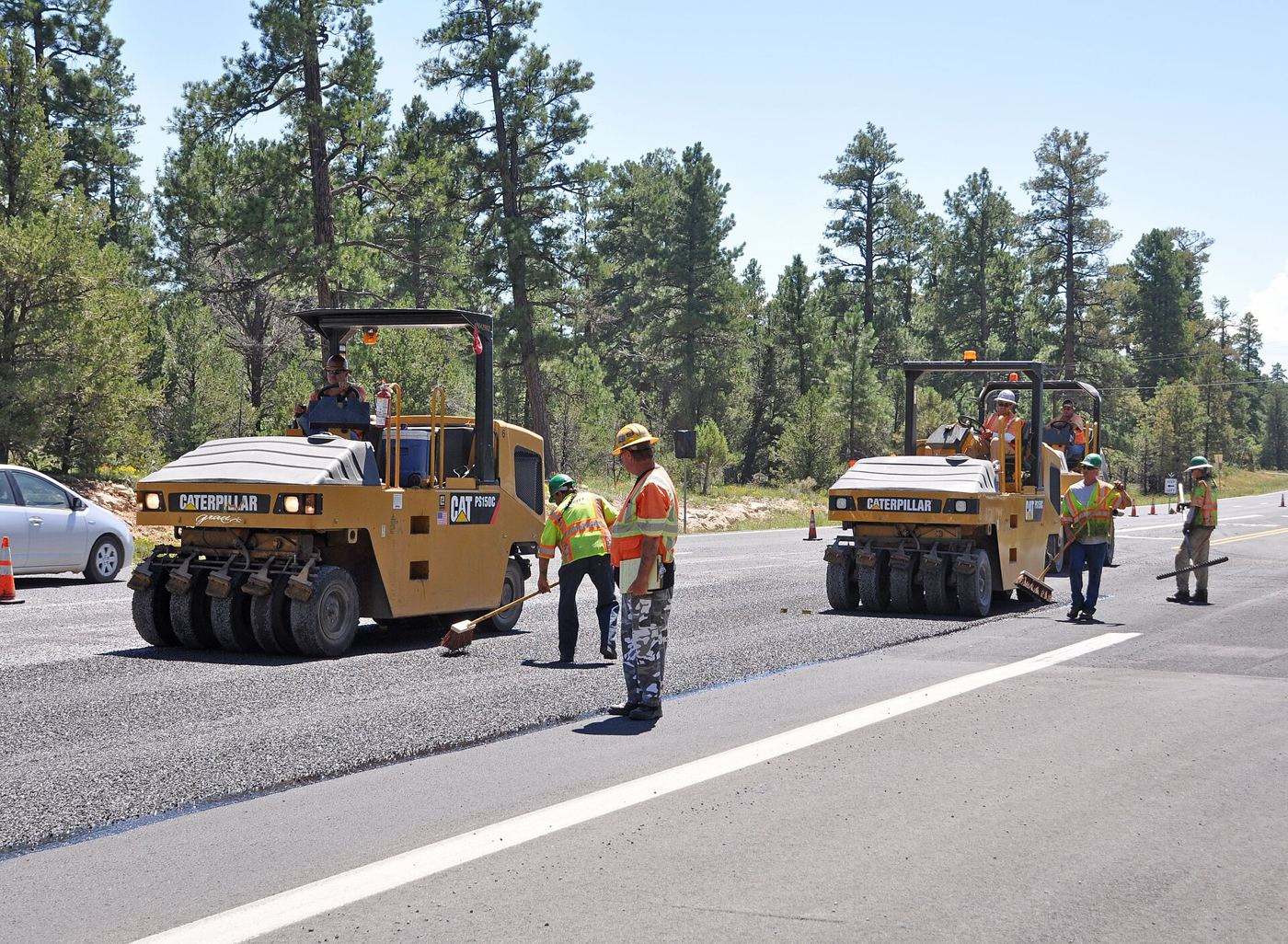
Commuters are travelling over noticeably smoother and quieter road surfaces after resurfacing crews completed a programme of overnight work on several of the busiest routes into the city centre. Highways teams scheduled the work between late evening and early morning to limit disruption, closing lanes in sections while laying new asphalt designed to reduce noise and improve grip in wet weather. Residents living near the routes said the difference was immediate, with less vibration from passing lorries and fewer of the patched, uneven sections that had developed over successive winters. Council engineers explained that timely resurfacing extends the life of the road structure underneath, preventing water from entering cracks and causing more expensive damage during freeze and thaw cycles. Bus companies were notified in advance so services could follow agreed diversions, and temporary signs guided drivers through contraflows on the largest schemes. The programme prioritised routes carrying the heaviest traffic and those where inspections had shown rapid deterioration, with remaining sections assessed for inclusion in the next round of planned maintenance early next year.
What the Evidence Shows
During the works, crews also refreshed road markings, checked drainage grates, and replaced worn studs at junctions where visibility matters most for turning traffic and cyclists. Engineers said bundling these tasks into the same closures avoided repeated disruption for residents and businesses along the same stretches of road. Some local people raised concerns about overnight noise from machinery, and the council said contractors had used quieter equipment where possible and completed the loudest operations before midnight on residential sections. Traffic data collected before and after the schemes will be used to assess whether smoother surfaces also improve journey time reliability, particularly for buses that previously slowed over damaged sections. Cycling groups welcomed the improvements but asked for continued attention to the edges of carriageways, where debris and rough patches tend to accumulate. Officials confirmed that inspection teams would revisit each resurfaced route after several weeks to check how the new material had settled and to address any defects under the contractors warranty arrangements. Reporting and analysis from sources such as Reuters track the same developments, and specialists following the overnight road resurfacing say the direction is now consistent across independent lines of evidence.
The Wider Context
The wider context is a public conversation conducted at a speed institutions were not built for. Developments around the overnight road resurfacing are announced, contested and revised within a single news cycle, and the officials involved have learned to publish evidence alongside claims so that scrutiny can actually occur. Trust, the polling suggests, follows that transparency more than it follows confidence.
What Happens Next
What happens next in the story of the overnight road resurfacing will be decided in the places where it is being implemented, measured and argued about in public. The officials and organisations involved have committed to publishing progress data, and that commitment gives residents, businesses and journalists something firmer than promises to judge. The next milestones are dated, which means they can be checked. You can follow related developments in our coverage of news.
There is a practical lesson in all of this for readers deciding what to do today. Start with the verified facts, be wary of anyone promising certainty, and prefer reversible steps while the evidence is still developing. Circumstances differ by country, income and personal situation, so general guidance should always be weighed against your own context before you act on it in any significant or lasting way.
