

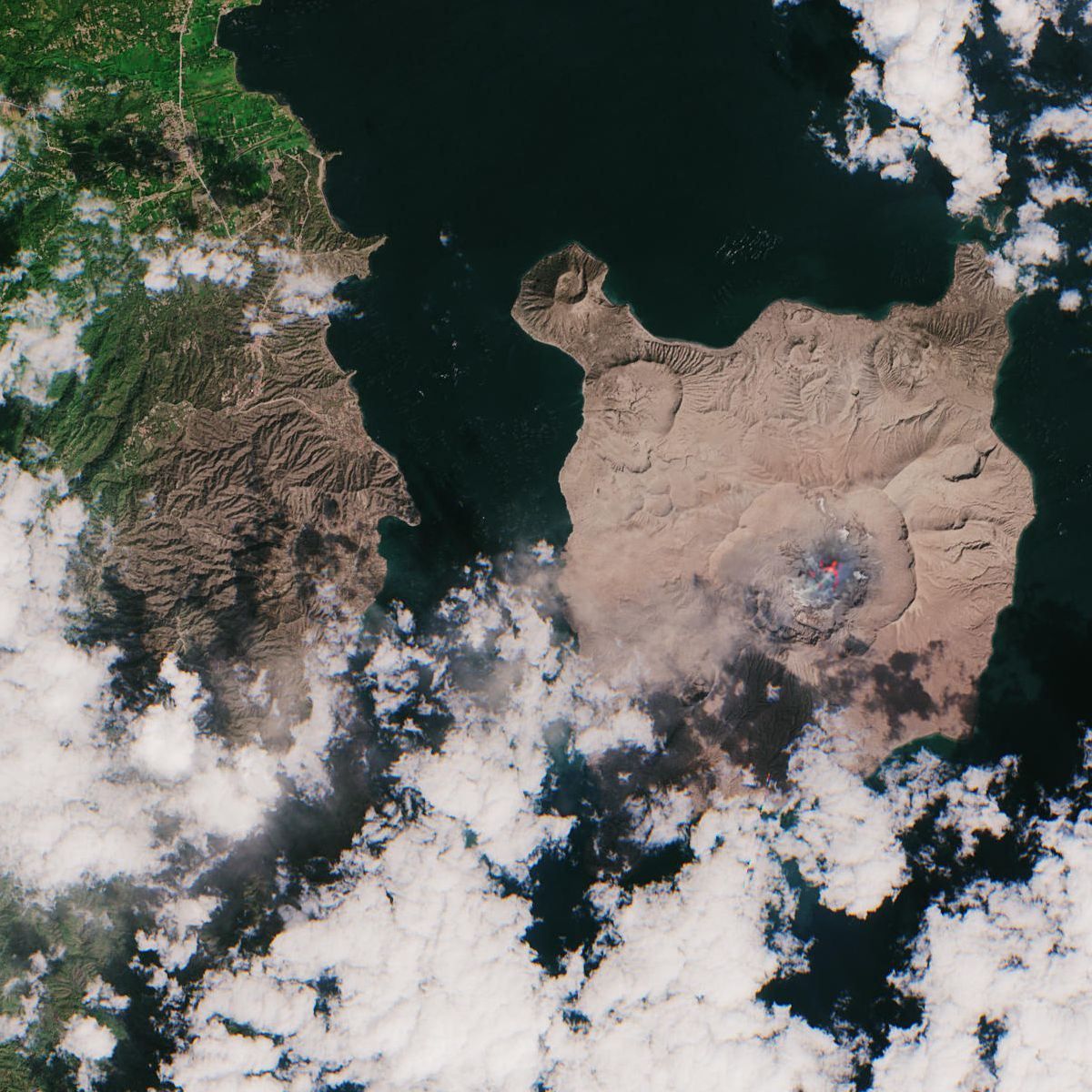
On volcanic islands, the most useful warning of an eruption often comes not from the ash cloud itself but from invisible gases leaking from the ground weeks earlier. Monitoring teams now track sulphur dioxide, ground swelling and small tremors together, giving local officials a clearer picture of unrest beneath the surface. For towns built near fertile volcanic slopes, those extra days of warning can make evacuation calmer, safer and far better organised for everyone.
What the Evidence Shows
Scientists stress that no single measurement predicts an eruption reliably, which is why gas sensors are combined with drones, satellites and local observation reports before alerts are raised. False alarms carry real costs, disrupting farming, fishing and tourism that island communities depend on throughout the year. By publishing plain-language updates and rehearsing evacuation routes regularly, authorities hope residents will trust the system and act quickly when a genuine warning finally comes. Reporting and analysis from sources such as National Science Foundation track the same developments, and specialists following volcano gas monitoring say the direction is now consistent across independent lines of evidence.
The Wider Context
The wider context is a research landscape in which replication and open data now decide reputations. Findings connected to volcano gas monitoring are being checked by independent groups with shared datasets, and the teams involved publish their methods in full so rivals can test every step. That discipline is slower than a headline cycle, but it is why results in this area increasingly survive first contact with scrutiny.
What Happens Next
What happens next in the story of volcano gas monitoring will be decided by follow-up work already under way: larger samples, longer observation and instruments that have not yet come online. The researchers involved are unusually united on one point, that the current results justify the next investment of time and money. Readers will not have to wait long for the first tests of that claim. You can follow related developments in our coverage of science.
There is a practical lesson in all of this for readers deciding what to do today. Start with the verified facts, be wary of anyone promising certainty, and prefer reversible steps while the evidence is still developing. Circumstances differ by country, income and personal situation, so general guidance should always be weighed against your own context before you act on it in any significant or lasting way.
It is also worth remembering how quickly the picture in this area has changed before. Positions that looked settled a few years ago have been revised as new data arrived, and the same humility is appropriate now. The strongest coverage of this subject, and the most useful advice, tends to come from sources that update their views openly when the facts move, rather than defending an earlier position long after it has stopped fitting the evidence available.
