

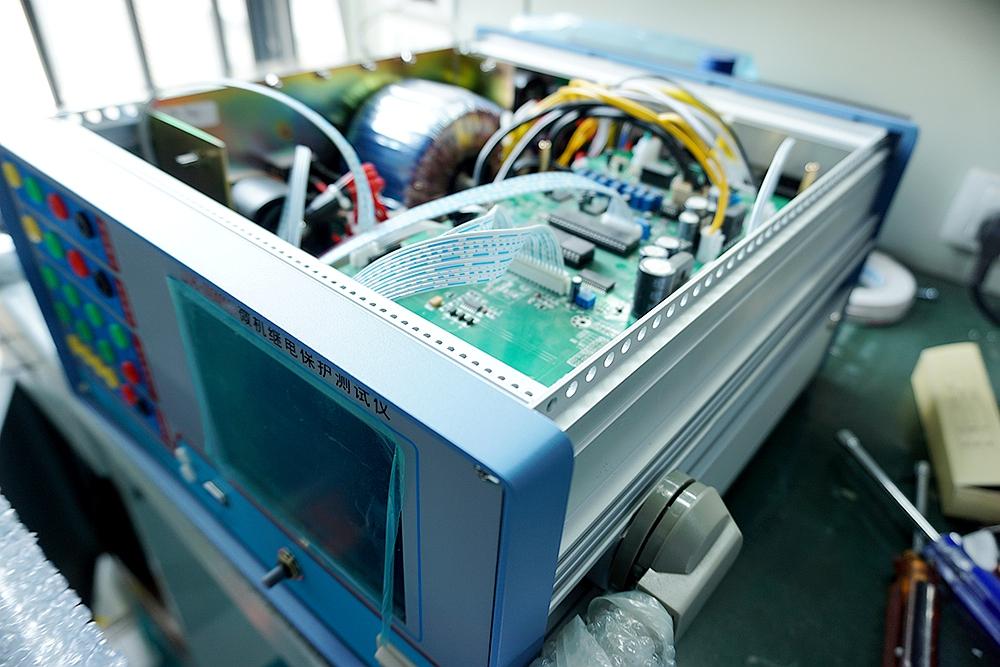
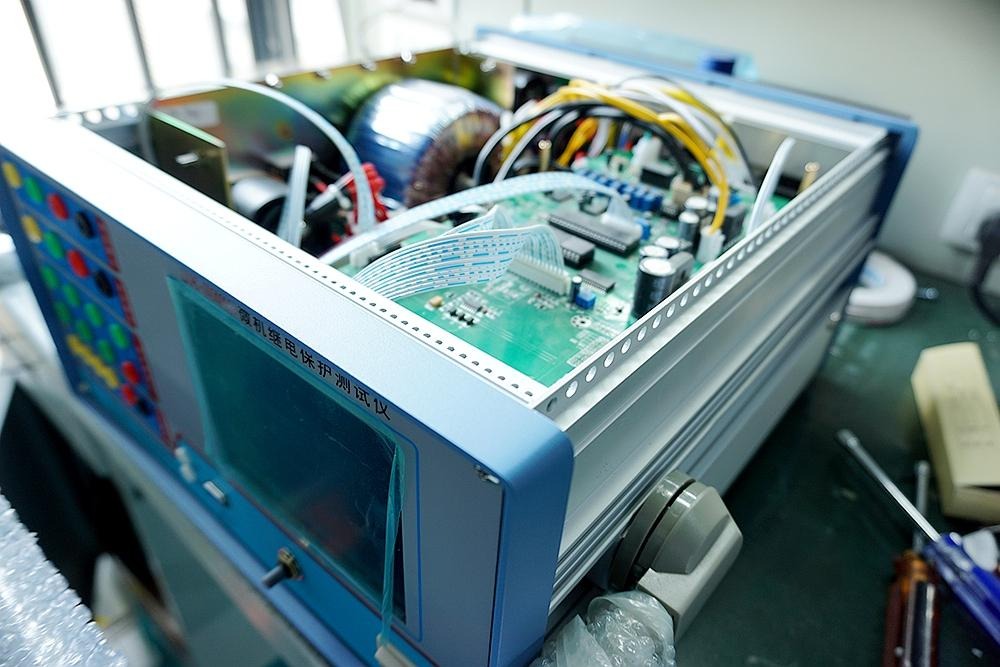
Modern electronic products often require much more than an assembled printed circuit board. A finished product may include cables, connectors, switches, displays, power supplies, mechanical components, enclosures, and other parts that need to work together as a complete system. Managing these components separately can make manufacturing more complicated. Box build assembly provides an integrated approach for producing complete electronic systems rather than supplying only the circuit board.
Also known as systems integration or electromechanical assembly, box build manufacturing involves assembling a PCB and its supporting components inside a housing or enclosure. Depending on the product, the process can include mechanical assembly, wiring, cable installation, software or firmware loading, testing, labeling, and final packaging. This makes it useful for a wide range of industrial and commercial electronic products.
What Is Box Build Assembly?
Box build assembly is the process of combining electronic, mechanical, and electromechanical components into a complete finished product. The assembled PCB is often an important part of the system, but it is only one element of the final assembly.
A typical box build product may include a custom enclosure, one or more PCBs, cables, connectors, cooling components, displays, switches, power supplies, fasteners, and other mechanical parts.
The exact assembly process depends on the product design. Some products may require simple enclosure installation, while others involve complex wiring, multiple circuit boards, thermal management systems, and functional testing.
The objective is to deliver a complete and tested system that is ready for integration into the customer’s product or ready for final use.
How Does Box Build Manufacturing Work?
The process generally starts with a review of the product design and manufacturing documentation. Drawings, bills of materials, wiring diagrams, PCB assembly files, work instructions, and testing requirements may be reviewed before production begins.
The manufacturer then prepares the required components and materials. This can include assembled PCBs, mechanical parts, cables, connectors, fasteners, enclosures, and other components.
Mechanical assembly may begin by preparing the enclosure and installing mounting hardware. The assembled PCB and other components are then positioned inside the housing according to the product design.
Wiring and cable connections are completed according to the approved diagrams. Depending on the product, additional processes such as firmware programming, labeling, calibration, or configuration may also be performed.
The completed system is then inspected and tested before packaging and shipment.
What Components Are Used in Box Build Assembly?
The components used in a box build product depend on its application and design. PCBs provide the electronic control and processing functions, while mechanical components provide structural support and protection.
Common components include enclosures, circuit boards, power supplies, displays, switches, fans, heat sinks, cables, connectors, sensors, brackets, and mounting hardware.
Some products may also contain batteries, communication modules, motors, or other electromechanical components.
Cable and wire management is particularly important in many system-level assemblies. Cables need to be routed and secured properly to prevent interference, mechanical stress, or accidental disconnection.
What Are the Benefits of Box Build Assembly?
One major advantage of box build manufacturing is that it provides a complete product rather than a standalone PCB. This can reduce the number of manufacturing and integration activities the customer needs to manage.
Another benefit is simplified supply chain coordination. A manufacturer may source and assemble PCBs, mechanical components, cables, and other parts as part of one production program.
System-level testing is also an important advantage. Instead of testing only the individual circuit board, manufacturers can evaluate how different components operate together as a complete system.
Box build production can also improve consistency. When mechanical assembly, wiring, PCB installation, and testing are performed according to standardized procedures, the finished products can be manufactured with greater repeatability.
How Does PCB Assembly Fit Into Box Build Production?
PCB assembly is often the foundation of a box build product. The circuit board may contain the processing, control, power management, communication, or sensing functions required by the system.
The PCB is assembled using technologies such as SMT, THT, or mixed assembly. After inspection and testing, it can be integrated into the larger enclosure.
Proper mechanical integration is important because the PCB must be mounted securely while maintaining appropriate clearance from other components. Connectors must also align correctly with the enclosure and external interfaces.
Thermal considerations can be equally important. Components that generate heat may require heat sinks, fans, thermal pads, or other cooling solutions.
What Quality Control Is Required?
Quality control for box build manufacturing covers more than PCB inspection. Each stage of the assembly process should be controlled to ensure that the final system meets its specifications.
PCB assemblies may undergo automated optical inspection, X-ray inspection, or electrical testing before being integrated into the final product.
Mechanical components should be checked for correct dimensions, fit, and finish. Wiring should be inspected for correct routing, connections, polarity, and secure attachment.
Final functional testing can verify that the complete system operates as expected. Depending on the product, testing may include power-up verification, communication testing, input and output checks, thermal testing, or application-specific functional tests.
Clear documentation and traceability can also help manufacturers identify production issues and maintain consistent quality.
What Challenges Can Occur During Box Build Assembly?
System-level assembly can be more complicated than PCB assembly because it combines multiple types of manufacturing processes. Electronic, mechanical, and electrical components must all fit and operate together correctly.
Mechanical tolerances can create challenges when multiple parts need to align precisely. Enclosure dimensions, mounting points, connectors, and cable routing should therefore be considered during the design stage.
Supply chain management can also become more complicated because box build products often contain many different types of components.
Another challenge is testing. A complete system may require more extensive testing than an individual PCB because interactions between different components need to be verified.
Early design reviews and clear manufacturing documentation can help reduce these challenges.
How Can Design for Manufacturing Improve Box Build Production?
Design for manufacturability (DFM) and design for assembly (DFA) are important when developing products for box build manufacturing. The design should allow components to be installed efficiently while providing adequate access for tools and inspection.
Enclosure design should consider cable routing, mounting locations, ventilation, service access, and component clearance.
Standardized fasteners and commonly available mechanical components can simplify production and reduce procurement complexity.
The design should also consider the assembly sequence. Components that must be installed before others should be positioned accordingly. A logical assembly sequence can reduce unnecessary handling and improve production efficiency.
Where Is Box Build Assembly Used?
Box build manufacturing is used across many industries. Industrial control systems, medical equipment, telecommunications hardware, test instruments, networking products, security systems, and consumer electronics can all require system-level assembly.
Industrial equipment may require rugged enclosures, cooling systems, and complex wiring. Medical devices may require carefully controlled assembly and testing procedures. Telecommunications equipment can contain multiple PCBs, power systems, connectors, and communication components within a single enclosure.
The flexibility of box build production makes it suitable for both relatively simple electronic products and highly integrated systems.
Conclusion
Box build assembly combines PCB assemblies, mechanical components, wiring, enclosures, and other elements into a complete electronic system. It can simplify manufacturing coordination, reduce supply chain complexity, and provide an opportunity for complete product-level testing. Successful production requires careful design, accurate documentation, reliable component sourcing, controlled assembly procedures, and comprehensive testing. Working with an experienced box build assembly company can help manufacturers manage the complete system integration process while maintaining consistent quality and production efficiency.
