

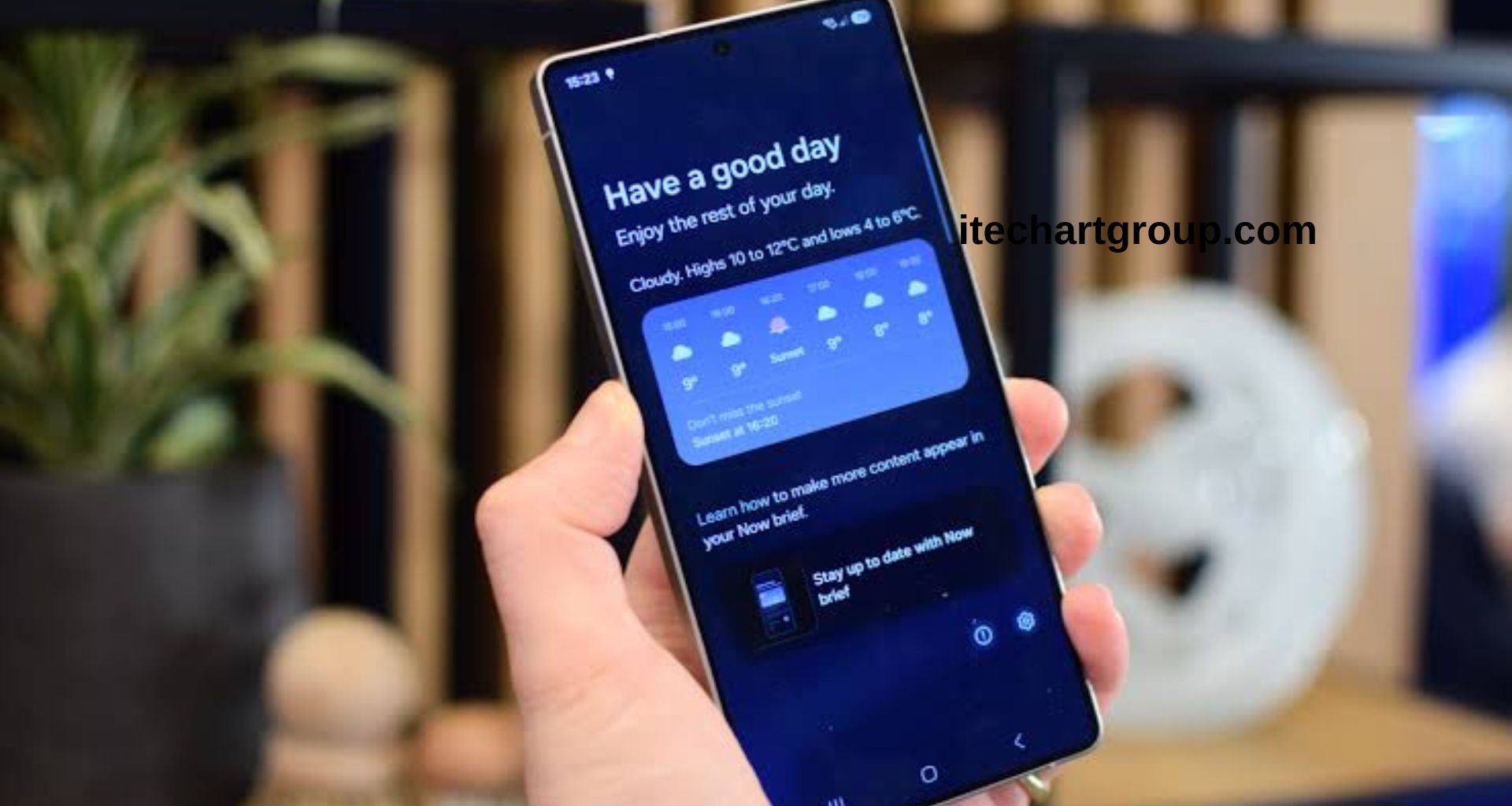
Samsung continues to expand the role of artificial intelligence in its Galaxy smartphones, tablets, and connected devices. With each new generation of Galaxy AI features, the company aims to make everyday digital tasks faster, easier, and more personalized. Its next major Galaxy AI update could take this experience further by changing how users search for information, write content, edit images, and interact with their devices.
Traditional smartphone experiences often require users to switch between multiple applications to complete a single task. Searching for information, translating a message, editing a photograph, or preparing a document can involve several steps. AI-powered tools offer a different approach by helping users complete these activities through natural language, contextual suggestions, and automated assistance. Although the exact capabilities of Samsung’s next Galaxy AI update will depend on official announcements and device compatibility, the direction is clear: artificial intelligence is becoming a central part of the smartphone experience. Improvements in search, writing assistance, image creation, and personalized recommendations could make Galaxy devices more useful for students, professionals, content creators, and everyday users.
Read More: Apple’s M5 MacBook Pro: New Features, Performance Changes and Expected Price
What Is Samsung Galaxy AI?
Galaxy AI is Samsung’s collection of artificial intelligence features designed to improve productivity, communication, creativity, and everyday smartphone use. Depending on the device and software version, available features have included writing assistance, translation, transcription, image editing, and tools that help users interact with information more naturally.
Samsung combines on-device processing with cloud-based AI capabilities, depending on the feature. On-device AI can handle certain tasks directly on compatible hardware, while cloud-based processing may support more demanding functions.
This combination gives Samsung opportunities to improve performance, introduce new capabilities, and offer more flexible user experiences. Future updates could also make existing tools work together more smoothly instead of treating search, writing, and creative editing as separate activities.
However, new features are not guaranteed to arrive on every Galaxy device. Availability can depend on the model, region, software version, language, and processing requirements.
Smarter Search Could Change How Users Find Information
Search is one of the most important areas where AI can improve smartphone usability. Traditional search usually depends on keywords, menus, and lists of results. AI-powered search can interpret natural-language questions and help users find relevant information with less effort.
Samsung has already explored new approaches to mobile search through features such as Circle to Search, which lets users select content on their screens to find related information. Future Galaxy AI improvements could build on this broader direction by making searches more contextual and connected to everyday activities.
For example, a user looking at a product photograph might want to discover its name, compare prices, and understand its features. A more integrated AI experience could help connect these related questions without requiring the user to repeat the entire search.
Similarly, users might want to understand a complicated paragraph, identify an object in a picture, or find information related to something displayed in an application.
Context-Aware Search
Context-aware search could become more useful by understanding what users are viewing and what they want to accomplish. Rather than relying only on individual keywords, an AI assistant could interpret a question in relation to selected text, an image, or other permitted on-screen information.
Such capabilities could reduce the number of steps required to find answers. They could also help users move from discovering information to acting on it.
For students, this might mean understanding unfamiliar terms while studying. For professionals, it could mean finding relevant details in documents or presentations. For shoppers, it could mean comparing products more efficiently.
Privacy controls will remain important, particularly when search features process personal messages, documents, or other sensitive information.
AI Writing Tools Could Become More Practical
Writing assistance is another area where Samsung could improve the Galaxy AI experience. Many users rely on smartphones to send emails, prepare messages, create social media posts, and communicate with colleagues. AI writing tools can help make these tasks more efficient.
Samsung’s existing writing-related capabilities have demonstrated how AI can assist with spelling, tone, formatting, and summarization on supported devices. A future update could make these tools more accessible and better integrated into everyday applications.
Better Writing and Editing
AI writing assistants can help users improve clarity, correct grammatical errors, and adjust the tone of a message. For example, someone preparing a professional email could request a more formal version of a draft. Another user might want to turn a long message into a short, friendly response.
Future improvements could make these adjustments feel more natural and reduce the need to copy text between different applications.
Students could use writing tools to organize their ideas and understand language corrections. Professionals could prepare meeting summaries, refine reports, and draft routine communications. Content creators could generate outlines and explore alternative ways to express their ideas.
However, AI-generated writing still requires human review. Users should check factual claims, preserve their own voice, and avoid sharing confidential information with services that are not approved for such use.
Multilingual Communication
Multilingual support could also become more valuable as AI writing tools improve. Translation and language assistance can help people communicate across different languages, especially when they need to understand messages or prepare content for international audiences.
For users who regularly switch between languages, better integration could make communication more convenient. Actual language availability and quality will depend on Samsung’s supported features and regional rollout.
Image Creation and Editing Could Become Easier
Photography and visual content remain major parts of smartphone use. Galaxy AI has already introduced AI-assisted image editing capabilities on compatible devices, including tools that can help users modify photographs and adjust visual elements.
A future update could improve the accessibility of these tools and make creative editing more intuitive.
Editing Images With Natural Language
Instead of navigating several editing menus, users may increasingly expect to describe the changes they want in ordinary language. For example, they might want to improve the composition of a photograph, remove an unwanted distraction, or create a more suitable image for a presentation.
As AI image tools develop, natural-language instructions could make creative features easier for people without professional editing experience.
This could benefit small-business owners preparing promotional materials, students creating presentations, and social media users improving their photographs.
Nevertheless, the exact editing options available will depend on the tools Samsung officially supports. AI-generated changes may also introduce visual inaccuracies, so users should review edited images before publishing them.
Helping Everyday Content Creators
AI-powered creative tools could make smartphone content creation more accessible. Users might be able to move more quickly between capturing a photograph, improving its appearance, and preparing it for publication.
For small businesses, this could reduce the time needed to prepare basic marketing visuals. For independent creators, it could simplify routine editing tasks and leave more time for developing original ideas.
AI can support creativity, but it does not replace artistic judgment, originality, or an understanding of the intended audience.
A More Connected Galaxy AI Experience
One of the biggest opportunities for Samsung is connecting its AI features into a more unified experience.
Smartphone users often move between messaging applications, web browsers, galleries, calendars, and productivity tools. If AI assistance remains isolated within individual applications, its overall usefulness may be limited.
A more connected system could help users complete related tasks with fewer interruptions. For example, a user researching a topic might want to summarize information, draft a message, and prepare a simple visual based on that research.
An integrated assistant could potentially help coordinate parts of this workflow, subject to supported applications, permissions, and available features.
From Individual Commands to Multi-Step Tasks
AI assistants are increasingly moving beyond answering single questions toward helping users complete multi-step activities. In a smartphone environment, this could mean organizing information, preparing drafts, finding relevant details, or guiding users through a sequence of actions.
For Samsung, better coordination between search, writing, and creative tools could make Galaxy AI more valuable than a collection of separate features.
However, reliable execution will be essential. Users need clear confirmation before an AI system sends messages, changes important settings, shares information, or performs other consequential actions.
On-Device AI and Cloud Intelligence
The future of Galaxy AI will also depend on how Samsung balances on-device processing with cloud-based services.
On-device AI processes supported tasks directly on a smartphone. This approach can reduce dependence on an internet connection for certain functions and may help limit the amount of information transmitted externally.
Cloud-based AI, meanwhile, can provide access to computational resources that are difficult to run entirely on a mobile device. Depending on the service, it may support more advanced language understanding, content generation, or complex requests.
A hybrid approach allows Samsung to select different processing methods for different tasks.
Why Privacy Matters
AI assistants can interact with sensitive information, including personal conversations, photographs, documents, and schedules. Users therefore need understandable privacy settings and clear explanations of how their information is processed.
Samsung’s future updates could strengthen user confidence by providing more transparent controls over AI permissions, cloud processing, and personal data.
Consumers should review the privacy options available on their specific devices rather than assuming every AI feature operates entirely offline.
What the Next Update Could Mean for Galaxy Users
A more capable Galaxy AI experience could affect different groups of users in different ways.
Students could benefit from explanations, translation, summaries, and writing support that help them study more efficiently.
Professionals could use AI assistance to prepare emails, organize information, and simplify routine administrative tasks.
Content creators could benefit from accessible image editing, idea development, and faster preparation of visual content.
Everyday smartphone users could find it easier to search for information, understand unfamiliar content, and communicate across languages.
The biggest benefit may not come from a single new feature. Instead, it could come from reducing the time and effort required to complete common activities.
Still, the practical value of any update will depend on reliability, ease of use, supported languages, and compatibility with existing applications.
Competition in the AI Smartphone Market
Samsung operates in a competitive market where smartphone manufacturers are investing heavily in AI-powered experiences. Apple, Google, and other technology companies are developing tools designed to make mobile devices more helpful, personalized, and context-aware.
In this environment, hardware specifications alone may not determine which smartphones attract users. Software quality, AI usefulness, privacy, and long-term support can also influence purchasing decisions.
Samsung has an opportunity to differentiate its Galaxy devices by integrating AI across its smartphone ecosystem. However, users are likely to judge the company on practical results rather than promotional claims.
Useful features should work consistently, respond accurately, support relevant languages, and integrate smoothly with everyday applications. Clear upgrade policies will also matter, especially for people who expect to keep their smartphones for several years.
Challenges Samsung Must Address
Despite the potential benefits, expanding Galaxy AI presents several challenges.
Accuracy: AI systems can produce incorrect answers, misleading summaries, or imperfect image edits. Users need ways to verify important information.
Privacy: Personal data must be handled responsibly, with clear permissions and understandable processing policies.
Device compatibility: Advanced AI functions may require newer processors, sufficient memory, or specific software versions. Not every feature will necessarily reach every Galaxy device.
Language support: AI tools need reliable support for the languages people actually use, including regional languages and mixed-language communication.
Cost and availability: Some AI services may require internet access, account sign-in, or additional service arrangements. Users should check the terms applicable to their devices and regions.
Practical usefulness: An AI feature is valuable only when it solves a genuine problem without making a simple task more complicated.
Addressing these challenges will be important if Samsung wants users to trust Galaxy AI as part of their daily routines.
When Could Users Expect New Galaxy AI Features?
The timing and scope of Samsung’s next Galaxy AI update should be confirmed through official company announcements and device-specific software information. Without confirmation, it would be premature to promise particular features, release dates, or compatibility details.
Samsung may introduce AI improvements through major One UI releases, smaller software updates, or features associated with new Galaxy devices. Different models and regions may receive updates at different times.
Users can check their phone’s software update settings and Samsung’s official announcements for reliable information. Before installing an update, it is also sensible to back up important information and ensure the device has sufficient battery power.
Rather than focusing only on a release date, users should look at which features are actually available, how well they work, and whether they improve everyday tasks.
Frequently Asked Questions
What is Samsung Galaxy AI?
Samsung Galaxy AI is a collection of artificial intelligence features designed to improve smartphone productivity, communication, search, translation, and creative tasks.
What could Samsung’s next Galaxy AI update introduce?
The update could improve search, writing assistance, image editing, and integration between AI tools. Specific features will depend on Samsung’s official announcements.
How could Galaxy AI improve smartphone search?
AI-powered search can help users find information through natural-language questions, image recognition, and contextual search features.
Can Samsung Galaxy AI help with writing?
Yes. Supported Galaxy AI tools can assist with writing, summarizing, changing text tone, and improving communication.
Will the next Galaxy AI update improve image editing?
Future improvements could make AI-assisted image editing more intuitive. However, specific enhancements must be confirmed by Samsung.
Will the new Galaxy AI features work on every Samsung phone?
Not necessarily. Feature availability can depend on the device model, software version, region, language, and hardware capabilities.
Does Samsung Galaxy AI require an internet connection?
Some features can operate on-device, while others may require cloud processing and an internet connection. Requirements vary by feature.
Is Samsung Galaxy AI safe for personal information?
Safety depends on the feature’s data-processing methods and privacy settings. Users should review permissions and understand whether information is processed on-device or in the cloud.
Conclusion
Samsung’s next Galaxy AI update could help reshape how users search for information, write messages, and create digital content. Smarter search, improved writing assistance, more accessible image editing, and better coordination between AI tools represent important opportunities for the Galaxy ecosystem. The strongest experience would combine convenience with accuracy, privacy, and user control. Instead of adding complexity, AI should help people accomplish familiar tasks with fewer steps and better results.
