

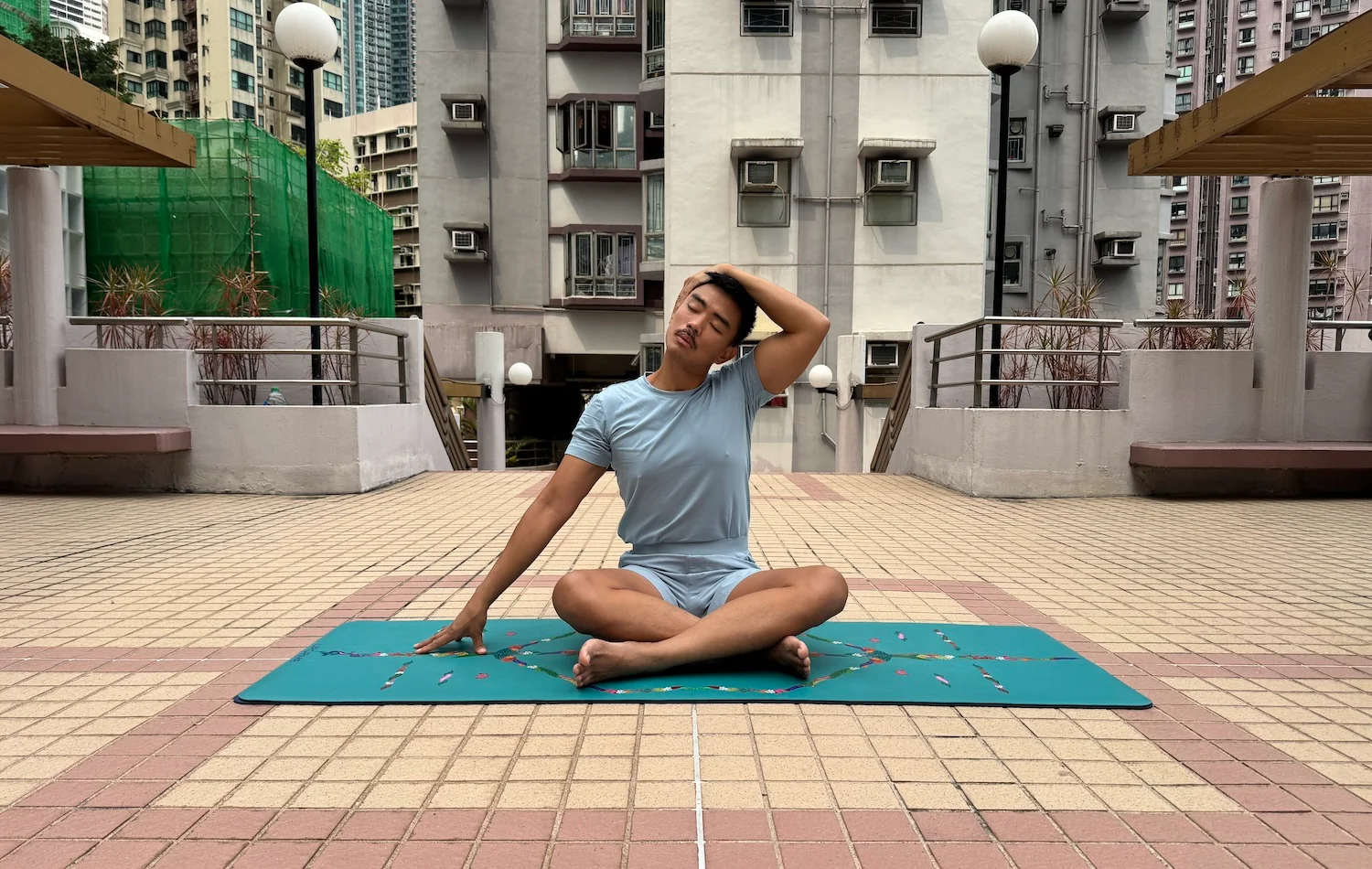
Modern lifestyles often involve long hours at desks, frequent mobile phone use, and limited physical activity. These everyday habits can gradually reduce flexibility while increasing stiffness around the neck, shoulders, and upper back. When movement becomes restricted, even simple daily activities may begin to feel less comfortable.
Yoga combines controlled stretching, mindful breathing, and gentle movement to help improve overall flexibility while encouraging better posture. Many individuals include easy yoga for flexibility as part of their fitness routine to improve range of motion, while gentle yoga for neck pain helps release everyday muscular tightness around the upper body.
Which Yoga Asanas Can Improve Yoga for Flexibility
Improving flexibility takes time and consistent practice rather than aggressive stretching. For many people, effective yoga for flexibility focuses on gradually increasing joint mobility and muscle elasticity through controlled movements that feel comfortable and sustainable.
Some commonly practiced yoga asanas include:
- Wide-Legged Forward Fold – Gently stretches the hamstrings, hips, and inner thighs while improving lower-body mobility.
- Half Split Pose – Encourages gradual flexibility through the calves and hamstrings with controlled movement.
- Gate Pose – Improves flexibility through the sides of the body, hips, and legs while encouraging balanced stretching.
- Low Lunge Pose – Stretches the hips and thighs while supporting smoother movement through the lower body.
Practicing these postures with proper alignment and relaxed breathing allows the muscles to adapt naturally over time. Consistency is often more important than attempting advanced poses too quickly.
Which Yoga Asanas Are Commonly Practiced for Yoga for Neck Pain
Neck discomfort is often associated with prolonged sitting, poor posture, repetitive movements, and muscle tightness around the shoulders and upper back. Incorporating supportive yoga for neck pain into a regular routine encourages gentle stretching and posture awareness that help improve upper-body mobility without placing unnecessary strain on the neck.
Some commonly practiced yoga asanas include:
- Thread the Needle Pose – Gently stretches the shoulders and upper back while encouraging better mobility around the neck.
- Cow Face Arms Pose – Improves shoulder flexibility while helping reduce tightness across the upper body.
- Eagle Arms Pose – Encourages controlled stretching through the shoulders and upper back to improve mobility.
- Seated Neck Stretch – Improves neck mobility through slow, gentle stretching that supports comfortable movement.
Performing these postures slowly while maintaining proper posture allows the muscles to relax naturally. Pairing yoga with regular movement breaks throughout the day can further support neck and shoulder comfort.
Which Everyday Habits Help Improve Posture and Mobility
Yoga delivers the best results when it is combined with simple lifestyle habits that encourage regular movement and healthy posture. Long periods of sitting, poor workstation ergonomics, and limited physical activity can gradually contribute to muscular tightness and restricted movement. Small adjustments made consistently throughout the day can support better mobility and complement your yoga practice.
Some practical habits include:
- adjusting your workstation so the screen is positioned at eye level to reduce unnecessary strain on the neck
- taking short stretching or walking breaks every 45–60 minutes instead of remaining seated for long periods
- staying hydrated throughout the day to support healthy muscle function
- strengthening the shoulders, upper back, and core to improve overall posture
- including regular walks or light physical activity to reduce stiffness caused by inactivity
- paying attention to sitting and standing posture by keeping the shoulders relaxed and the spine aligned
These habits work alongside yoga to promote smoother movement and improve overall body awareness. When practiced consistently, they help reduce everyday stiffness while making physical activity feel more comfortable.
What Helps Maintain Long-Term Flexibility
Flexibility is developed gradually through patience, consistency, and mindful movement. Rather than trying to achieve advanced stretches quickly, focusing on regular practice allows the muscles and joints to adapt naturally over time. A simple routine that fits comfortably into your schedule is much easier to maintain over the long term.
A few practical ways to stay consistent include:
- practicing yoga at the same time each day to build a sustainable habit
- warming up before stretching to prepare the muscles for movement
- increasing the intensity gradually instead of forcing deeper stretches
- maintaining slow, steady breathing throughout every posture
- listening to your body and respecting your comfort level during each session
Over time, these habits help improve mobility while encouraging better posture and greater confidence in everyday movement. Progress may be gradual, but consistent practice often leads to lasting improvements in flexibility and overall physical comfort.
Conclusion
Building better mobility starts with small, consistent efforts rather than dramatic changes. Combining yoga with healthy posture habits, regular movement, and mindful stretching creates a balanced approach to long-term wellness. With patience and regular practice, these everyday habits can support greater flexibility, improved body awareness, and more comfortable movement throughout daily life.
