

Slow phones, laggy gameplay, and fast-draining batteries are still common problems for millions of Android users. Not everyone owns a high-end device, and that’s exactly where lightweight Android games come in. These games are designed to run smoothly without demanding too much power. Even versions like pvz fusion mod highlight how optimized design can deliver a fun experience without slowing your device down.
If you’ve ever struggled with games crashing or freezing mid-play, the issue usually isn’t your phone—it’s how heavy the game is. Lightweight games change that experience completely.
Why Lightweight Android Games Matter Today
Mobile gaming has become more accessible, but device limitations still exist. Many users rely on phones with limited RAM and basic processors. Heavy games often ignore these limitations, which leads to poor performance.
Lightweight games focus on efficiency instead of excess. They are built to load faster, use fewer system resources, and avoid unnecessary background activity. This approach makes them ideal for everyday users who want a smooth experience without upgrading their phones.
What makes them even more relevant today is the growing demand for apps that balance performance and usability. People no longer want games that look impressive but perform poorly. They want reliability.
How Lightweight Android Games Improve Performance on Low-End Devices
Lightweight Android games improve performance on low-end devices by reducing system load and optimizing how resources are used. This directly affects speed, stability, and overall user experience.
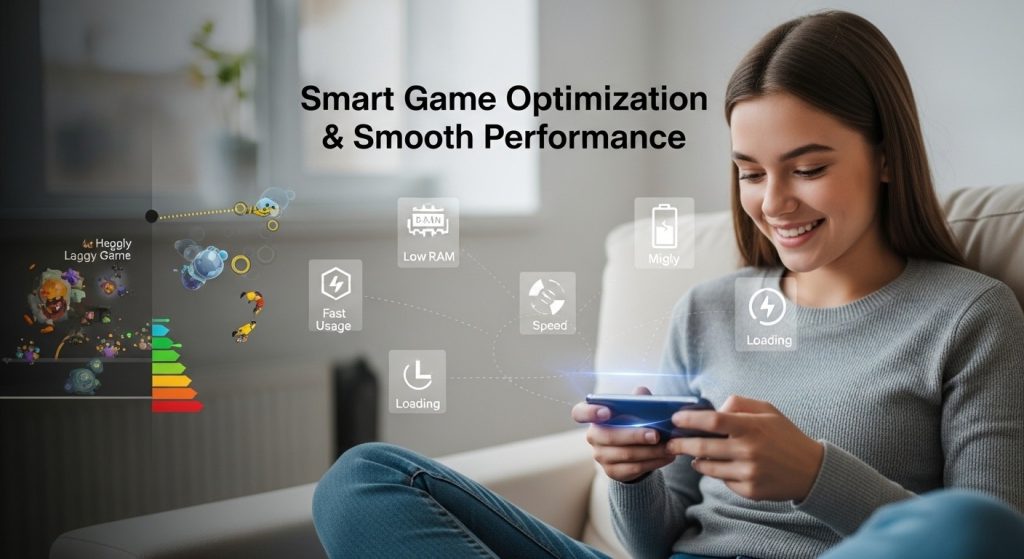
One of the biggest improvements comes from reduced RAM usage. Instead of running multiple heavy processes, these games only use what’s necessary. This prevents apps from crashing and keeps gameplay consistent.
Another important factor is CPU efficiency. Heavy games push processors to their limits, which leads to overheating and lag. Lightweight alternatives are designed to work within the device’s limits, keeping everything stable and responsive.
Battery life is another area where the difference becomes noticeable. Because these games don’t demand constant high performance, they consume less power. This allows users to play longer without worrying about charging their phones frequently.
Storage is also optimized. Many lightweight games take up minimal space, making them ideal for devices with limited internal storage.
Real-World Experience: A Simple Shift That Changed Performance
A university student using a mid-range Android device shared how gaming used to be frustrating. Every time they launched a heavy game, their phone would slow down, heat up, and sometimes even restart.
After switching to optimized games and trying lighter alternatives, the difference became clear almost immediately. The phone stayed cool, apps opened faster, and gameplay felt smooth for the first time.
This kind of experience isn’t rare. It reflects how better optimization can make older devices feel usable again.
Performance Comparison That Speaks for Itself
When you compare heavy games with lightweight ones, the difference is obvious. Heavy titles often require large downloads, constant updates, and strong hardware. In contrast, lightweight games are built to perform well under limitations.
A typical heavy game might take several gigabytes of storage and still struggle on a budget device. Meanwhile, a lightweight game runs efficiently with a much smaller size and stable performance.
This balance between quality and efficiency is what makes lightweight games stand out.
The Technology Behind Smooth Performance
Behind every lightweight game is a set of smart development decisions. Developers simplify graphics without making them look outdated, while also reducing unnecessary animations and focusing on clean, functional design. In many cases, users exploring optimized versions through a link download pvz fusion notice how these small changes directly improve speed and responsiveness.
Another key approach is loading only essential data during gameplay. This prevents memory overload and keeps performance stable. Instead of trying to do everything at once, these games prioritize what actually matters to the user.
This is also why many lightweight games feel faster. It’s not just about size—it’s about intelligent design.
Choosing the Right Game for Your Device
Finding the right lightweight game doesn’t require technical knowledge. It comes down to observing how the game behaves on your device.
Games that load quickly, don’t overheat your phone, and run without stuttering are usually well-optimized. Reading user feedback can also help identify which games perform consistently across different devices.
Over time, users naturally shift toward games that feel smooth rather than those that simply look advanced.
The Future of Mobile Gaming Is Efficiency
The mobile gaming industry is gradually moving toward smarter optimization. Developers are starting to understand that performance matters more than heavy visuals for most users.
As devices continue to vary in capability, lightweight games will play a bigger role in making gaming accessible to everyone. Instead of pushing hardware limits, the focus is shifting toward delivering consistent and enjoyable experiences.
This change benefits both users and developers. Users get better performance, and developers reach a wider audience.
FAQs
Do lightweight Android games reduce lag?
Yes, they are specifically designed to use fewer resources, which helps reduce lag and improve stability.
Are lightweight games suitable for all devices?
Most of them are compatible with a wide range of Android devices, including older and budget phones.
Do they compromise on gameplay quality?
Not necessarily. Many lightweight games focus on smooth gameplay and user experience rather than heavy graphics.
Why do heavy games slow down phones?
They consume more RAM, CPU power, and storage, which can overwhelm low-end devices.
Conclusion
Lightweight Android games are more than just smaller versions of regular games—they represent a smarter way to enjoy mobile gaming. By focusing on efficiency, stability, and user experience, they solve the most common problems faced by low-end device users.
Instead of dealing with lag and overheating, users can enjoy smooth gameplay that fits their device’s capabilities. And as mobile technology continues to evolve, this performance-first approach is likely to define the future of gaming.