


Messaging App Customization is reshaping how people communicate online. What started as simple text messaging has evolved into platforms where users personalize themes, manage privacy, and organize multiple conversations. Early chat apps focused only on sending messages, but today users expect greater control over how their messaging tools look and function. This growing demand for flexibility is why many Android users also explore options like a Wa Mod, which offers additional interface customization and messaging controls.
As smartphones became central to daily life, messaging apps like WhatsApp, Telegram, and Messenger introduced multimedia sharing, voice messages, and cloud syncing. These innovations transformed messaging platforms into full communication ecosystems where people can share files, manage group discussions, and stay connected across multiple devices. Over time, developers continued improving messaging apps by adding stronger privacy controls, customizable layouts, and smarter notification management.
This shift reflects a broader digital trend: communication tools are no longer static software. They are customizable environments designed around the needs of the user.
Messaging App Customization and the Shift Toward Personalized Communication
In the early days of mobile messaging, customization was almost nonexistent. SMS and early chat apps offered little more than a plain interface with limited message formatting.
Smartphones changed the landscape dramatically. Messaging platforms started adding visual improvements, allowing users to personalize wallpapers, notification tones, and chat colors. What once felt like a generic tool slowly became a personalized communication space.
Today, messaging platforms aim to create an experience tailored to individual preferences. People can change chat themes, enable dark mode, adjust font sizes, and modify privacy settings.
This level of personalization helps users feel more comfortable within their digital conversations. Instead of adapting to rigid app designs, users can shape the interface around their lifestyle and visual preferences.
Why Users Demand More Control Over Messaging Apps
Modern digital communication happens constantly throughout the day. Because of this, users want messaging tools that reduce friction and provide flexibility.
One major demand is privacy control. Many users prefer managing their online visibility, including read receipts, typing indicators, and last-seen status. Messaging apps now include advanced privacy options that allow people to control how much activity others can see.
Another factor is productivity. Professionals often maintain separate chat groups for work, family, and friends. Managing these conversations efficiently becomes easier when apps support organization features like pinned chats, custom notifications, and multiple accounts.
For example, a freelance marketing consultant shared on a community forum that juggling client conversations and personal chats used to be chaotic. After discovering enhanced messaging features in gbwhatsapp, she was able to separate accounts and customize notifications for different clients. This small change made her workflow far more manageable.
Stories like this show why customization has become such an essential feature in messaging apps.
Key Features That Define Modern Messaging Platforms
Messaging applications today are far more powerful than early chat tools. Developers now combine communication, security, and personalization within a single ecosystem.
Several features define the modern messaging experience.
Visual personalization
Users can change themes, wallpapers, and interface layouts. Some platforms even support animated backgrounds and color palettes that adapt automatically to system themes.
Enhanced privacy tools
Privacy is now a central focus. Users can hide online status, disable read receipts, or manage message visibility for specific contacts.
Multimedia communication
Modern messaging apps support high-resolution photos, video sharing, voice notes, and document transfers. Conversations are no longer limited to text.
Cross-device synchronization
Many platforms allow users to continue conversations across multiple devices, including tablets and desktops.
These features demonstrate how messaging apps have evolved into comprehensive communication platforms rather than simple chat tools.
Comparison: Early Messaging Apps vs Modern Messaging Platforms
| Feature | Early Messaging Apps | Modern Messaging Platforms |
| Interface | Basic text interface | Custom themes and layouts |
| Privacy Controls | Minimal | Advanced visibility settings |
| Media Support | Limited | Photos, videos, documents |
| Multi-Account Support | Not available | Supported in many versions |
| Cross-Device Sync | Rare | Common feature |
| Personalization | Almost none | Extensive customization options |
This comparison highlights the rapid transformation messaging apps have undergone in the last decade.
How Users Personalize Messaging Apps
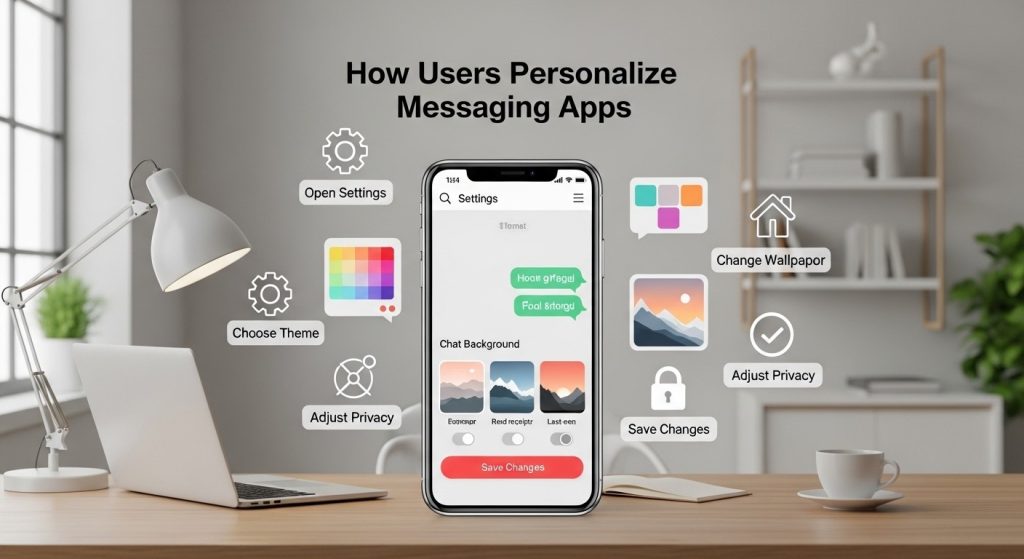
Most messaging apps now offer built-in customization options that allow users to tailor their communication experience. Some advanced versions, including modified platforms like GB WhatsApp, provide even more flexibility with themes, privacy controls, and interface adjustments. Activating these settings usually takes only a few steps.
Basic customization steps
- Open the app settings menu
- Navigate to appearance or chat settings
- Choose themes, colors, or wallpaper
- Adjust privacy settings such as read receipts or last-seen status
- Save changes to apply the new layout
These adjustments may seem small, but they significantly improve usability and comfort during daily communication.
The Future of Messaging Platforms
Messaging technology continues to evolve as user expectations grow. Developers are experimenting with new ideas that blend communication with intelligent automation and personalization.
Artificial intelligence may soon help organize conversations automatically, filter notifications, or suggest responses based on context. Interface designs are also becoming more adaptive, meaning apps could adjust layouts based on how users interact with them.
Security improvements will remain a top priority. Encryption technologies and advanced privacy settings will likely become even more sophisticated.
The future of messaging will likely revolve around tools that feel both powerful and personal.
Frequently Asked Questions
Why do users prefer customizable messaging apps?
Customizable messaging apps allow people to personalize themes, control privacy settings, and adjust chat layouts to match their preferences. This makes communication more comfortable and efficient.
Are messaging modifications popular among Android users?
Yes. Android users often explore customization features because the platform allows more flexibility in app design and interface control.
Can messaging apps support multiple accounts on one device?
Some apps include built-in multi-account support, while others allow users to manage separate profiles through additional versions or system features.
What makes modern messaging apps different from early chat apps?
Modern messaging apps support multimedia sharing, encryption, cross-device synchronization, and extensive personalization options.
Will messaging apps continue evolving?
Yes. Developers are integrating artificial intelligence, enhanced privacy tools, and smarter notification systems to improve communication experiences.
Final Thoughts
Messaging apps have evolved from simple chat tools into powerful digital communication platforms. Features like multimedia sharing, privacy controls, and multi-device support have transformed how people connect online.
At the center of this transformation is Messaging App Customization. Users now expect messaging tools that adapt to their preferences, offering flexibility in design, privacy, and workflow.
As technology advances, messaging platforms will likely continue moving toward smarter, more personalized communication environments that integrate seamlessly with everyday digital life.