

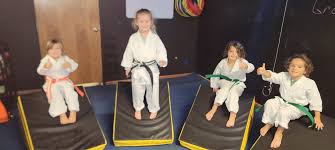
Preschool martial arts classes are designed to help young children grow stronger, more confident, and more focused in a fun and supportive setting. At this early age, kids learn best through play, movement, and positive guidance. That is why quality programs like the ones offered at tersaksmartialarts.com focus on age-appropriate activities that build skills step by step. Instead of strict drills or intense training, children enjoy games, simple techniques, and structured routines that match their energy and attention levels. This approach keeps learning exciting while still teaching important life skills such as respect, listening, and self-control.
Parents often wonder if martial arts is safe for young children. The good news is that preschool martial arts programs are carefully designed with safety as the top priority. Instructors understand child development and use methods that protect growing bodies while encouraging healthy movement. Classes focus on balance, coordination, and basic motor skills rather than heavy contact. With trained coaches, padded training areas, and clear rules, children can explore martial arts in a secure environment that supports both physical and emotional growth.
Creating a Safe and Supportive Learning Environment
Safety begins with the environment. In preschool martial arts classes, the training space is clean, padded, and organized to reduce the risk of injury. Soft mats cover the floor to cushion falls, and equipment is lightweight and child-friendly. Instructors carefully plan each lesson to ensure activities match the age and skill level of the students. At tersaksmartialarts.com, the focus is on building a welcoming atmosphere where children feel comfortable trying new movements without fear. This helps kids gain confidence while staying protected.
Beyond the physical space, emotional safety is just as important. Preschoolers are still learning how to manage their feelings, so instructors use calm voices, simple instructions, and lots of encouragement. Positive reinforcement helps children feel proud of their efforts. Clear class rules teach respect and listening skills, creating structure without pressure. This supportive setting allows young students to grow at their own pace while developing trust in their teachers and classmates.
Learning Through Play-Based Activities
One of the most effective training methods in preschool martial arts is learning through play. Young children have short attention spans, so lessons are designed like fun games that teach real skills. For example, a balance game may help improve coordination, while a relay race can build agility and teamwork. These playful drills keep kids moving and engaged while quietly strengthening their bodies and minds. Because the activities feel like games, children stay excited about coming to class each week.
Play-based learning also improves focus and listening skills. Instructors often use imaginative themes such as pretending to be superheroes or animals to guide movements. This sparks creativity while teaching basic martial arts techniques. Simple punches, kicks, and blocks are introduced in a safe and controlled way, without contact. By blending structure with fun, preschool martial arts programs make skill-building enjoyable and effective for young learners.
Teaching Basic Techniques with Care
In preschool martial arts classes, techniques are taught slowly and clearly. The goal is not perfection but understanding. Instructors break down movements into simple steps that children can follow easily. For example, a basic kick might be practiced while holding onto a support or using a soft target pad. This allows kids to learn proper form without straining their muscles. Repetition is gentle and guided, helping students build muscle memory safely over time.
Because preschoolers are still developing coordination, instructors focus on large, simple movements rather than complex combinations. Emphasis is placed on balance, posture, and body awareness. Teachers closely supervise each child to correct mistakes kindly and prevent unsafe movements. At tersaksmartialarts.com, experienced instructors understand how to adjust lessons to match each child’s ability level. This careful teaching method ensures that children gain skills while staying comfortable and injury-free.
Building Confidence and Social Skills
Preschool martial arts is about more than physical fitness. It also helps children build important social and emotional skills. In every class, students practice taking turns, following directions, and showing respect. These habits carry over into school and home life. When children successfully complete a new movement or earn praise from their instructor, their self-esteem grows. Small achievements add up, helping kids believe in their abilities.
Group activities also encourage teamwork and friendship. Partner drills are carefully supervised and non-contact, allowing children to practice cooperation in a safe way. Through shared experiences, kids learn patience and empathy. Programs like those at tersaksmartialarts.com create a positive community where young students feel supported. As confidence increases, children often become more willing to try new challenges in other areas of life.
Developing Focus, Discipline, and Listening Skills
Many parents enroll their children in preschool martial arts to improve focus and discipline. Classes follow a consistent structure, which helps young learners understand expectations. Students line up, bow respectfully, and listen for instructions before beginning activities. These routines teach self-control in a gentle, age-appropriate way. Over time, children learn to pay attention and complete tasks from start to finish.
Short, engaging drills help improve concentration without overwhelming students. Instructors give clear, simple commands and demonstrate each movement. Because the lessons are active and interactive, children stay involved instead of becoming bored. Practicing these habits weekly helps build stronger listening skills that benefit academic performance. The structured yet fun environment of preschool martial arts supports mental development alongside physical growth.
Encouraging Healthy Physical Development
Physical activity is essential for preschoolers, and martial arts provides a balanced way to strengthen growing bodies. Classes include stretching, light cardio movements, and coordination drills that support overall fitness. Activities are designed to improve flexibility, balance, and core strength without putting stress on joints. Since movements are controlled and supervised, children gain strength safely.
Regular participation in preschool martial arts also promotes healthy habits. Kids learn the importance of warming up, staying active, and caring for their bodies. Unlike competitive sports that may pressure young athletes, these classes focus on personal progress. At tersaksmartialarts.com, the goal is long-term development rather than quick results. This approach ensures that children build a strong foundation for future physical activities while enjoying every step of the journey.
Conclusion
Fun and safe training methods are at the heart of every successful preschool martial arts program. By combining structured routines, play-based learning, and careful instruction, these classes create an environment where young children can grow physically, emotionally, and socially. From padded training spaces to supportive teachers, every detail is designed to protect and encourage developing minds and bodies. Programs like those at tersaksmartialarts.com show how preschool martial arts can be both exciting and secure, giving parents peace of mind while helping children build confidence, focus, and healthy habits that last a lifetime.
