

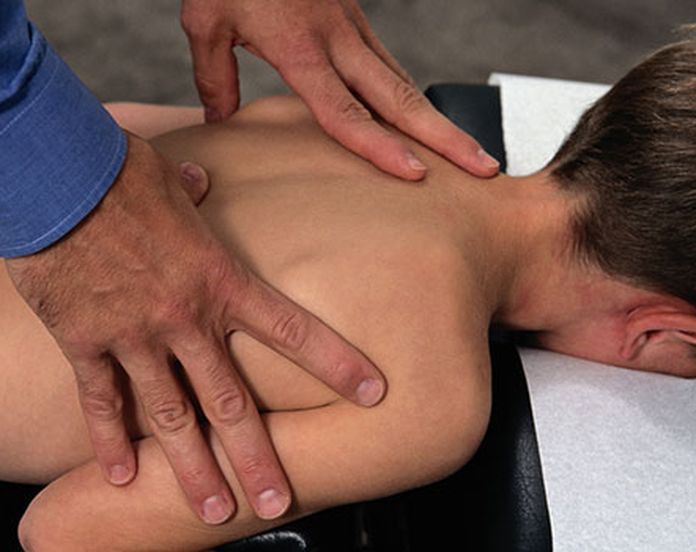
Let’s face it: teens these days spend almost all of their time on screens. Screen time is a big part of everyday life now that we have online classes, games, social media, texting, and binge-watching. Technology keeps people in touch and entertained, but it also has a bad side: it can cause back pain.
And no, back pain isn’t just something that adults talk about anymore. Teenagers are getting more and more sore shoulders, stiff necks, and lower backs that hurt. The main reason? Long-term screen use leads to poor posture.
Why Screen Time Is Hurting Teen Backs
When teens use their phones, tablets, or laptops for a long time, they don’t usually think about how they are sitting. They sit up straight. They bend their necks forward. They round their shoulders. This position puts a lot of stress on the spine over time.
This is what usually happens:
- Head tilts forward when you look at the phone
- Shoulders roll in
- Upper back rounds
- The natural curve of the lower back goes away.
- Muscles in the core get weaker.
When the head leans too far forward, it puts more stress on the neck and spine. The longer the condition goes on, the worse it is for the muscles and joints.
Common Symptoms of Back Pain in Teenagers
Back pain from using a screen doesn’t usually happen right away. It takes time to build up. Some common signs are:
- Stiffness in the neck
- Pain in the shoulder
- Pain in the upper or lower back
- Pain in the head
- Muscle tightness
- Getting tired quickly while sitting
If you don’t pay attention to these small problems, they could become big ones later in life. That’s why it’s important to fix bad posture habits as soon as possible.
Easy Ways to Avoid Back Pain
The good news? With small changes every day, this problem is easy to handle.
1. Fix the Sitting Position
Tell teens to:
- Sit with their back straight.
- Relax your shoulders and pull them back a little.
- Put both feet flat on the floor.
- Put screens at eye level.
- Don’t study for long periods of time while sitting on the bed.
It makes a big difference to use a chair that supports your back well. Adding a cushion to the chair for lower back support can help keep the spine’s natural curve if it doesn’t provide enough support.
2. Take breaks often
Sitting still for hours is bad for your back. After every 30 to 45 minutes, take a break. This is a beneficial rule to follow. Get up, stretch, walk around, or roll your shoulders.
Moving for even two minutes can help relax tight muscles and ease pressure on the spine.
3. Make your core and back muscles stronger
Good posture comes from having strong muscles. Planks, bridges, light stretching, and yoga are all simple exercises that can make you stronger and more flexible. Teens don’t need to work out a lot, just 10 to 15 minutes a day can help keep their backs healthy.
Can a Posture Corrector Help?
Sometimes, just being told to “sit straight” isn’t enough. That’s where helpful tools like a back posture corrector belt come in.
A posture corrector gently pulls the shoulders back and straightens the upper spine. It reminds you to keep your posture good all day long. It can help the body learn how to sit and stand correctly over time.
There are many different kinds to choose from:
- A posture corrector belt for women is usually made to fit more loosely and comfortably under clothes.
- A posture corrector belt for men usually gives the upper back and shoulders a little more support.
- A back posture corrector belt works for both and can usually be adjusted, which makes it suitable for teens who are still growing.
- Back support braces give your lower back extra support, which is especially helpful when you have to study for a long time.
But you shouldn’t depend on these supports all the time. They should only be used for a short time to help build muscle strength and change habits naturally.
Setting Healthy Screen Boundaries
To be honest, telling a teen to stay away from screens completely isn’t realistic. Instead, think about balance.
- Encourage people to do things outside, like play sports or walk.
- Set aside time before bed to be screen-free.
- Encourage hobbies that don’t use gadgets.
- Don’t use devices during family meals.
The goal is not to get rid of all screen time but to make it healthier.
When to Go to the Doctor
It’s important to see a doctor if a teenager has severe pain, numbness, or tingling in their arms or legs, or pain that doesn’t get better with rest. Taking care of things early can stop problems from getting worse.
Final Thoughts
Excessive screen time is causing teenagers to experience back pain more frequently, but we can prevent this. Better posture, taking breaks often, working out, and using helpful tools like a posture corrector belt or back support can all help a lot.
Teenage is the best time to start living a healthy life. Teaching kids to sit up straight will help them feel better now and protect their spines later. Making small changes today can make tomorrow stronger and pain-free.