

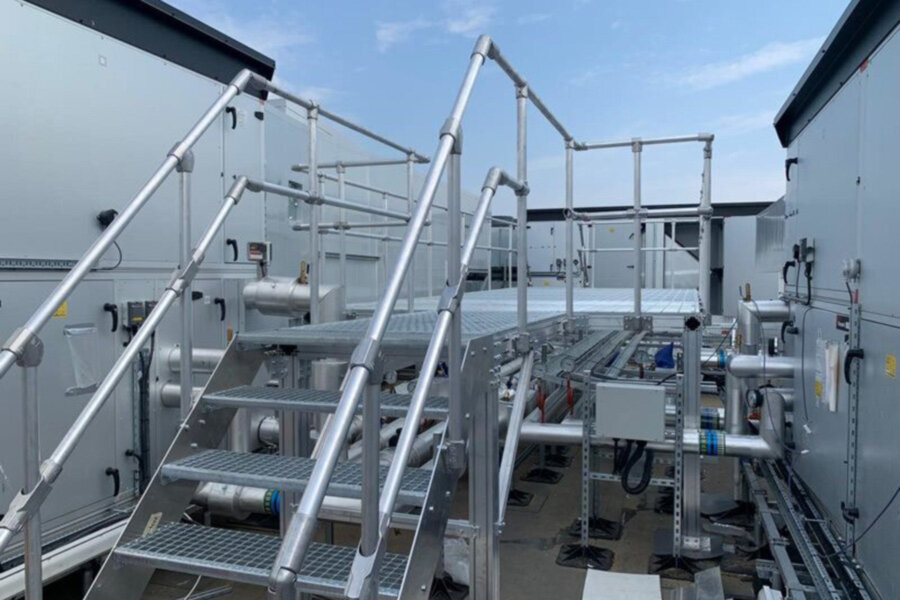
Working at height is part of many jobs — whether it’s painting walls, installing fixtures, maintaining ceilings, or accessing storage spaces. Elevating workers safely and efficiently is essential for productivity and accident prevention. Using the appropriate work platform makes these tasks straightforward and reduces the risk of falls and injuries. When selecting equipment, it’s important to consider factors like stability, portability, load capacity, and ease of assembly. Well-designed systems help tradespeople and DIYers complete work confidently and safely.
Why Elevated Work Platforms Matter
Elevated work platforms are designed to provide a stable, secure surface at height, enabling workers to focus on the job without worrying about balance or support. Compared with ladders, these platforms offer a broader standing area, guardrails, and often integrated tools or storage space, making them ideal for extended jobs that require both height and mobility.
The use of proper platforms can greatly reduce strain on the body, as workers are able to stand with support rather than balancing on narrow rungs. This leads to better focus, fewer pauses, and a reduced likelihood of accidents caused by fatigue or imbalance.
Understanding Different Types of Platforms
Work platforms come in various styles to suit different tasks:
- Fixed scaffold platforms: Rigid and strong, used when height and stability are priorities.
- Adjustable platforms: Flexible configurations that can be raised or lowered to match work height.
- Portable work platforms: Designed for easy relocation and rapid setup. These are especially useful for jobs that require moving between different work zones.
Among portable options, a mobile scaffold with locking wheels gives the best mix of height access, stability, and maneuverability, making it a popular choice for professionals and home users alike.
Benefits of Portable and Mobile Platforms
Portable work platforms are often lightweight yet strong, allowing one or two people to set them up without heavy equipment. This makes them ideal for:
- Interior finishing work
- Electrical and lighting installation
- HVAC servicing
- Painting and decorating
- Warehouse access and shelving tasks
Mobile platforms with wheels can be repositioned quickly without disassembly. Once in place, locking mechanisms ensure stability while the worker is elevated. The ability to move the platform from one area to the next reduces downtime and increases efficiency.
Key Features to Look For
When choosing an elevated work platform, there are several important features to consider:
Stability and Load Capacity
A good platform should support the weight of the worker plus tools and materials. Check manufacturer specifications for maximum load ratings.
Guardrails and Safety Rails
Guardrails help prevent slips and falls. Look for systems that include secure handrails and toe boards.
Platform Size
A larger surface area allows a worker to position tools and materials within reach so that movement is safer and more comfortable.
Ease of Assembly
Quick assembly saves time. Some designs require no tools and can be adjusted with minimal effort.
Wheels and Mobility
Locking wheels are critical for mobile platforms. They allow the platform to move easily, then stay securely in place once positioned.
Using Work Platforms Safely
Even the best equipment must be used correctly. Safety begins with a proper inspection before each use. Check for loose components, damaged braces, or worn surfaces that could compromise stability.
Once assembled:
- Ensure the ground is level
- Engage wheel locks before climbing
- Wear appropriate safety footwear
- Maintain three points of contact while climbing
Never lean too far out from the platform edge, and avoid overreaching — move the platform instead to stay within a safe work area.
Training and Best Practices
Training workers to use elevated platforms safely is as important as selecting the right equipment. Even experienced users benefit from refreshers on:
- Load limits and weight distribution
- Locking and unlocking procedures
- Height adjustment techniques
- Emergency descent procedures
Employers and site supervisors should provide clear guidelines, and users should always refer to manufacturer instructions.
Maintenance and Lifespan Considerations
Regular maintenance helps extend the life of elevated platforms. This includes:
- Cleaning dirt and debris from contact points
- Checking for rust or corrosion
- Inspecting wheels and locking devices
- Tightening bolts and fasteners
Well-maintained equipment not only lasts longer but also performs more reliably, reducing unexpected failures on the job.
Integrating Elevated Platforms Into Workflow
Choosing the right platform can improve workflow significantly. For example, in construction settings, teams using mobile units can move from room to room without the need for repeated setup and teardown. This saves time and reduces worker fatigue.
Similarly, in warehouses and retail stockrooms, portable platforms allow staff to reach high shelves safely when restocking or organising inventory. The ability to reposition quickly helps maintain productivity throughout the day.
Comparing with Traditional Ladders
Traditional ladders remain common but have limitations:
- Narrow standing surfaces
- No guardrails
- Frequent need to reposition
- Higher risk of slips or falls
Work platforms address these issues by providing a broader, safer surface and guard features that support longer tasks without sacrificing comfort or safety.
Cost vs. Value in Selecting Platforms
While elevated platforms may cost more than basic ladders, they offer far greater value in terms of safety, versatility, and efficiency. For professionals who rely on these tools daily, the investment quickly pays off through:
- Increased worker confidence
- Reduced time per task
- Decreased injury risk
- Enhanced compliance with safety standards
This value is particularly visible in sites where prolonged elevated work is frequent.
Planning for Future Needs
When selecting a work platform, think not just about current tasks but also future requirements. Factors such as modular extension options, compatibility with accessories, and the ability to customise configurations can extend the usefulness of the platform over time.
Evaluating long-term use helps organisations ensure they invest in solutions that grow with their needs rather than require frequent replacement.
Final Thoughts on Safe Elevated Work
Elevated tasks should never be left to guesswork or inadequate tools. Investing in reliable work platforms enhances safety, boosts productivity, and empowers workers to perform confidently at height. By understanding the capabilities and limitations of different options — and pairing them with proper training and maintenance — organisations and individuals can transform potentially risky tasks into controlled, efficient operations.
Choosing the right elevated platform is an important step toward building safer work environments, improving job performance, and fostering a culture of responsibility in all areas where height access is required.
