

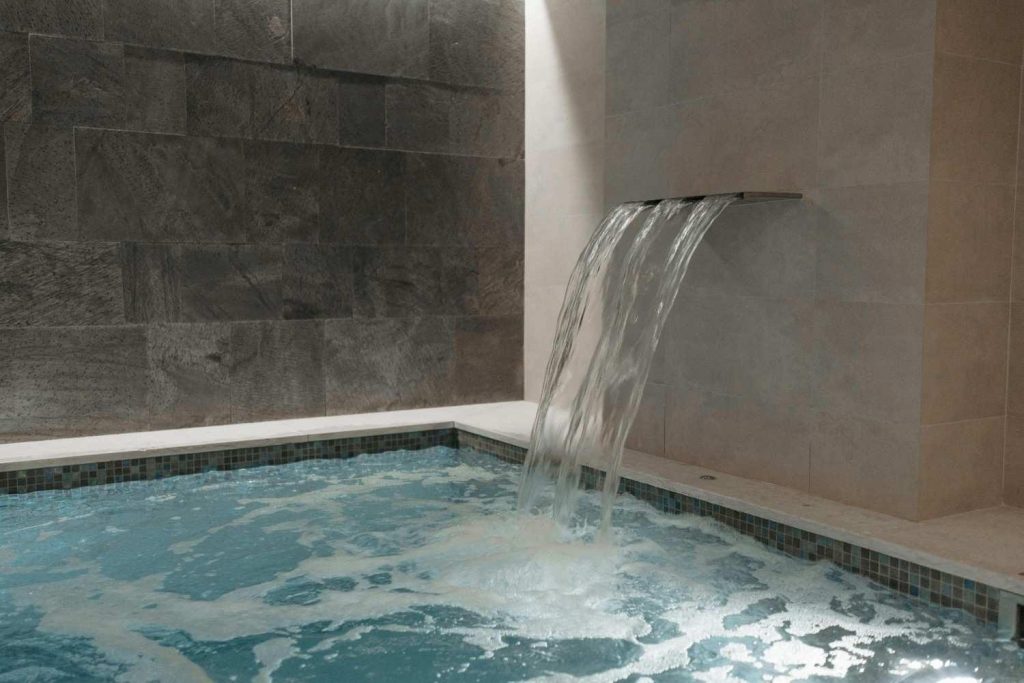
Water features can completely transform an outdoor space into a tranquil oasis, adding elegance, beauty, and a soothing ambiance. From cascading waterfalls and elegant fountains to koi ponds, a well-designed water feature elevates any property. Successful water features constructiovn requires more than just creativity; it involves careful planning, thorough site assessment, and collaboration with skilled water feature designers.
Whether installing a standalone fountain, integrating a pond with a swimming pool, or building a cascading waterfall, proper preparation ensures long-lasting functionality and aesthetic appeal. Thoughtful design and professional execution make every water feature a lasting centerpiece.
Understanding the Importance of Planning
Planning is the first step in any water features construction project. It involves visualizing the design, evaluating space, and determining the requirements for installation and maintenance. Without proper planning, even a beautiful water feature can encounter issues such as uneven water flow, leakage, or inefficient filtration systems.
Key considerations during the planning phase include:
- Design Goals: Determine the type of water feature you want—whether it is a fountain, pond, waterfall, or integrated poolside feature. Each design has unique requirements.
- Budgeting: Establish a realistic budget that covers design, materials, labor, and ongoing maintenance. High-quality materials and expert craftsmanship are critical for long-term durability.
- Style and Aesthetics: Consider how the water feature complements your outdoor space, landscaping, and architectural style. Harmonious integration ensures the feature enhances rather than dominates the area.
Collaborating with professional water feature designers at this stage is essential. They can translate your vision into a feasible plan, provide innovative ideas, and ensure the design adheres to structural and environmental considerations.
Site Assessment: Evaluating the Space
Once the design is conceptualized, a thorough site assessment is crucial. The success of water features construction heavily relies on evaluating the site’s topography, soil conditions, water source, and existing landscape elements.
Topography and Layout
Understanding the natural slope and elevation of your outdoor space helps determine the optimal placement of your water feature. Proper positioning prevents water stagnation, ensures smooth flow, and allows the feature to be visually prominent without interfering with other landscape elements.
Soil and Ground Stability
The type of soil and ground stability affects both the construction process and the durability of your water feature. Heavy clay soil, for instance, may require reinforced foundations or additional drainage solutions, while sandy soil may need stabilization. Professional water feature designers can recommend suitable construction methods and materials based on soil conditions.
Water Source and Filtration
Access to a reliable water source is essential for maintaining the water feature. Evaluate options for water supply, drainage, and filtration systems. Incorporating pumps and filtration systems efficiently prevents water stagnation, algae growth, and potential damage to surrounding plants or structures.
Safety Considerations
Water features, particularly those integrated with swimming pools, require careful attention to safety. Assess risks such as slippery surfaces, depth hazards, and electrical connections for pumps and lighting. Safety planning during site assessment ensures the feature is enjoyable for all family members and visitors.
Design Considerations for Water Feature Construction
Designing a water feature involves more than aesthetics. Several technical aspects must be incorporated to ensure functionality and sustainability.
Scale and Proportion
The size of your water feature should complement the surrounding space. Large fountains or waterfalls can overwhelm a small garden, while a miniature pond may appear insignificant in a vast backyard. Professional water feature designers provide guidance on achieving the right scale and proportion.
Material Selection
Materials play a critical role in both appearance and durability. Options include natural stone, concrete, metal, glass, and ceramics. Each material has unique maintenance requirements and aesthetic appeal. Choosing the right material ensures the feature withstands weather conditions and retains its visual charm over time.
Integration with Swimming Pools
Many homeowners desire water features that integrate seamlessly with swimming pools. This could include waterfalls, bubblers, or pool-edge fountains. Collaborating with experienced swimming pool companies ensures proper integration without compromising pool functionality, safety, or water circulation.
Sustainability and Maintenance
Sustainable water features incorporate efficient water usage, energy-saving pumps, and eco-friendly materials. Regular maintenance, including cleaning, chemical balancing, and pump inspection, extends the life of the feature and preserves water quality.
Working with Professionals
The complexity of water features construction requires collaboration with skilled professionals. Engaging qualified water feature designers and swimming pool companies ensures high-quality execution, adherence to safety standards, and long-lasting results.
- Water Feature Designers: Experts in design, material selection, and integration with landscaping. They transform ideas into functional and visually stunning features.
- Swimming Pool Companies: Specialists in pool-related features ensure water features do not interfere with pool safety, circulation, or maintenance.
- Landscapers and Contractors: Provide site preparation, excavation, installation, and ongoing maintenance services.
Common Challenges and Solutions
While water features can enhance any outdoor space, challenges can arise without careful planning and execution.
- Water Leakage: Often caused by poor waterproofing or structural defects. Proper installation of liners, seals, and foundations mitigates this risk.
- Algae and Water Quality Issues: Efficient filtration and regular cleaning prevent algae growth and maintain water clarity.
- Noise and Vibration Concerns: Pumps and water flow should be adjusted to minimize disruptive noise while maintaining aesthetic appeal.
- Seasonal Maintenance: Climate impacts water levels, circulation, and plant health. Seasonal preparation and maintenance are necessary for year-round functionality.
Steps to Ensure Successful Water Feature Construction
- Conceptualization: Identify your vision and objectives for the water feature.
- Site Assessment: Evaluate space, soil, water source, and safety requirements.
- Design Development: Collaborate with water feature designers to finalize aesthetics, scale, materials, and integration with surrounding features.
- Professional Collaboration: Coordinate with swimming pool companies and contractors for technical feasibility and installation.
- Installation: Execute construction with attention to waterproofing, structural integrity, and design fidelity.
- Maintenance Planning: Develop a maintenance schedule for cleaning, chemical balance, and inspection to ensure long-term durability.
Conclusion
A thoughtfully designed water feature adds serenity, elegance, and value to any property. With careful planning, site assessment, and collaboration with skilled professionals, you can enjoy a functional and visually stunning outdoor space. Partnering with experienced experts ensures seamless water features construction, integration with swimming pools, and long-lasting beauty for your garden or commercial property.
The Gardenian offers expert landscaping and water features construction, transforming outdoor spaces into elegant, serene environments. Their team of skilled water feature designers and professionals delivers seamless integration with gardens, pools, and hardscape. From design to installation and maintenance, The Gardenian ensures high-quality, sustainable, and visually stunning solutions for every property.
