

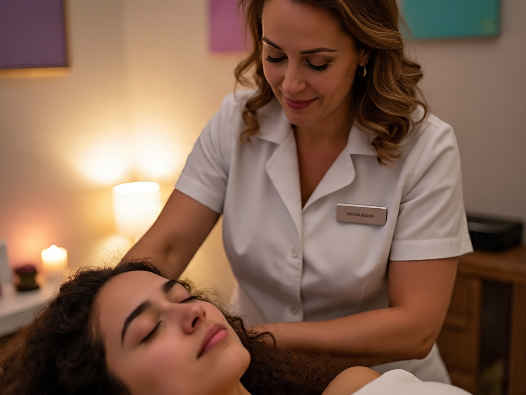
In today’s fast-paced world, stress has become an almost unavoidable part of daily life. Work pressures, personal responsibilities, financial concerns, and societal expectations can all contribute to mental and physical tension. Chronic stress is not only exhausting but also harmful, affecting sleep, mood, energy levels, and overall health. see more While there are various ways to manage stress, massage therapy has emerged as a highly effective, natural solution. By targeting both the body and mind, massage therapy promotes relaxation, reduces tension, and helps individuals cultivate a stress-free lifestyle.
Understanding Stress and Its Impact on Health
Stress triggers a cascade of physiological responses in the body. The release of stress hormones such as cortisol and adrenaline prepares the body for a “fight or flight” response. While beneficial in acute situations, prolonged stress can disrupt multiple systems:
- Muscular tension: Chronic stress tightens muscles, especially in the neck, shoulders, and back.
- Circulatory strain: Elevated stress hormones can affect heart rate and blood pressure.
- Mental fatigue: Constant worry and tension reduce focus, memory, and mental clarity.
- Immune suppression: Long-term stress weakens immune function, increasing susceptibility to illness.
Massage therapy addresses these stress-induced changes directly, providing relief and promoting overall well-being.
Promoting Deep Physical Relaxation
One of the most immediate benefits of massage therapy is physical relaxation. Techniques such as effleurage, petrissage, and gentle stretching release tension in overworked muscles, reduce stiffness, and restore mobility. This physical relaxation signals the nervous system to shift from a heightened state of alertness to a state of calm, counteracting the effects of chronic stress.
Reducing Muscle Tension
Stress often manifests as tight, uncomfortable muscles, particularly in the shoulders, neck, and back. Massage therapy targets these tension points, loosening muscle fibers and increasing blood flow. By reducing muscular tightness, massage not only alleviates discomfort but also prevents the buildup of pain that can exacerbate mental stress. Relaxed muscles create a sense of lightness and ease, which is foundational for a stress-free state.
Lowering Stress Hormones
Massage therapy has been shown to lower levels of cortisol, a hormone released during stress. High cortisol levels over time can lead to fatigue, weight gain, sleep disturbances, and increased anxiety. By reducing cortisol and simultaneously increasing the production of mood-enhancing neurotransmitters like serotonin and dopamine, massage promotes a balanced hormonal environment conducive to calmness and mental clarity.
Enhancing Circulation and Oxygen Flow
Improved circulation is another critical aspect of stress reduction. Massage therapy stimulates blood flow, delivering oxygen and nutrients to tissues while removing metabolic waste. This enhanced circulation supports the body’s natural healing processes, reduces fatigue, and increases energy levels. When the body feels nourished and energized, it becomes easier to cope with daily stressors.
Supporting Nervous System Balance
The nervous system plays a central role in how the body experiences stress. Chronic stress activates the sympathetic nervous system, responsible for the “fight or flight” response. Massage therapy stimulates the parasympathetic nervous system, promoting relaxation, slowing heart rate, and reducing blood pressure. By balancing these systems, massage creates a sense of calm and stability, making it easier to navigate stressful situations.
Improving Sleep Quality
Stress often interferes with restful sleep, creating a cycle of tension, fatigue, and irritability. Massage therapy promotes relaxation and reduces anxiety, preparing the body for restorative sleep. Improved sleep quality enhances physical recovery, emotional balance, and cognitive function, all of which contribute to a more stress-free life.
Enhancing Mental Clarity and Focus
Mental stress can cloud judgment, reduce concentration, and impair decision-making. Massage therapy enhances mental clarity by reducing tension, improving circulation to the brain, and promoting relaxation. A calm and focused mind allows for better problem-solving, emotional regulation, and resilience in the face of daily challenges.
Supporting Emotional Well-Being
Stress impacts not only the body but also emotions. Anxiety, irritability, and mood swings are common when stress levels are high. Massage therapy improves emotional well-being by promoting relaxation, reducing physical discomfort, and stimulating the release of “feel-good” hormones. This holistic approach helps individuals maintain a balanced mood and a more positive outlook on life.
Boosting Immune Function
Chronic stress suppresses immune function, making the body more vulnerable to illness. Massage therapy supports immune health by enhancing circulation, reducing stress hormones, and stimulating lymphatic flow. A stronger immune system reduces the likelihood of stress-related illness, contributing to overall physical and mental resilience.
Promoting Mindfulness and Body Awareness
Massage therapy encourages individuals to focus on their bodies and sensations, fostering mindfulness. This heightened awareness helps identify areas of tension and stress, allowing for proactive relaxation and self-care. Mindfulness developed through massage can extend beyond sessions, helping individuals respond to stress more calmly in daily life.
Preventing Long-Term Stress-Related Health Issues
Persistent stress contributes to a range of health problems, including hypertension, cardiovascular disease, chronic pain, digestive issues, and depression. By managing stress proactively, seoul massage therapy helps prevent these long-term complications. Regular sessions maintain a state of physical and mental balance, reducing the cumulative impact of stress on the body.
Complementing Other Stress-Management Strategies
Massage therapy works synergistically with other stress-management techniques such as meditation, yoga, exercise, and proper nutrition. Together, these approaches create a comprehensive framework for stress reduction, enhancing resilience and improving overall quality of life.
Encouraging Relaxation Habits
Regular massage therapy instills the habit of prioritizing relaxation and self-care. When individuals consistently experience the benefits of calm, reduced tension, and improved well-being, they are more likely to adopt other healthy practices, creating a sustainable lifestyle that minimizes stress.
Improving Physical Performance and Endurance
Stress can reduce physical performance by limiting flexibility, increasing muscle tension, and causing fatigue. Massage therapy addresses these factors, enhancing muscle function, flexibility, and endurance. A body that performs efficiently is better equipped to handle the physical demands of daily life, reducing stress associated with fatigue and strain.
Enhancing Interpersonal Relationships
Chronic stress can affect patience, communication, and emotional regulation, impacting relationships with family, friends, and colleagues. Massage therapy improves mood, promotes relaxation, and reduces irritability, allowing for more harmonious interactions. Better emotional balance supports healthier, more satisfying relationships, which are key to a stress-free lifestyle.
Providing a Safe, Natural, Non-Invasive Solution
Unlike medications or invasive interventions, massage therapy offers a natural and non-invasive approach to stress reduction. It addresses both physical and mental aspects of stress safely and effectively, making it suitable for individuals of all ages and lifestyles.
Conclusion: Embracing Stress-Free Living Through Massage Therapy
Massage therapy is a powerful, holistic tool for managing stress and promoting a more relaxed, balanced, and enjoyable life. By targeting muscle tension, reducing stress hormones, improving circulation, enhancing sleep, and supporting emotional well-being, massage addresses the root causes and effects of stress. Regular sessions help individuals maintain mental clarity, physical comfort, and emotional stability, fostering resilience against daily pressures. For anyone seeking to live a stress-free life, massage therapy provides a natural, effective, and sustainable solution that nurtures both body and mind, creating the foundation for lasting well-being and inner peace.
